
- 1 - Why Rock Art Matters
- 2 - Top U.S. Destinations for Outdoor Rock Art Viewing
- 3 - How to Best Experience Rock Art
- 4 - Tips for Visiting Rock Art Sites
1 - Why Rock Art Matters
Rock art is one of the oldest forms of human expression. These ancient images carved or painted on rock surfaces offer a window into the lives, beliefs, and cultures of early humans. Found all over the world, including the United States, rock art tells stories of survival, spirituality, and communication that date back thousands of years.
In the U.S., rock art includes petroglyphs, pictographs, and carvings created by Native American cultures, each representing a unique aspect of their way of life. These rock art sites are not only visually stunning but are also culturally significant, as they offer insights into how ancient people interacted with their environment. Today, many of these sites are protected and preserved as national treasures, attracting visitors who are eager to experience these fascinating remnants of the past.
2 - Top U.S. Destinations for Outdoor Rock Art Viewing
If you’re an outdoor enthusiast or history buff, visiting rock art sites can be an unforgettable part of your travels. From ancient petroglyphs in the desert to paintings in caves, the U.S. offers a wealth of rock art destinations. Below are some of the best places to see rock art across the country:
2.1. Petrified Forest National Park – Arizona
Located in northeastern Arizona, Petrified Forest National Park is home to one of the largest and most extensive collections of petroglyphs in the U.S. These rock carvings, created by ancient Native American cultures, can be found throughout the park, with the most famous being the Newspaper Rock petroglyphs. The park offers a unique combination of geological wonders and cultural heritage, making it a must-visit for rock art lovers.
2.2. Canyon de Chelly National Monument – Arizona
Canyon de Chelly, located in northeastern Arizona, is known for its dramatic landscapes and rich Native American history. The canyon is home to numerous petroglyphs, many of which date back to the Ancestral Puebloans. Visitors can take guided tours to explore the rock art sites and learn about the history of the Navajo people who still inhabit the area. The combination of stunning natural beauty and ancient art makes Canyon de Chelly a top destination for outdoor rock art viewing.
2.3. Arches National Park – Utah
Arches National Park in Utah is known for its breathtaking rock formations and natural arches. But hidden among the park’s sandstone cliffs are ancient petroglyphs and pictographs left behind by the Fremont people. These rock art images, which include animals, human figures, and geometric designs, can be found along several trails throughout the park. The contrast between the natural arches and the ancient art makes for a truly remarkable experience.
2.4. Mesa Verde National Park – Colorado
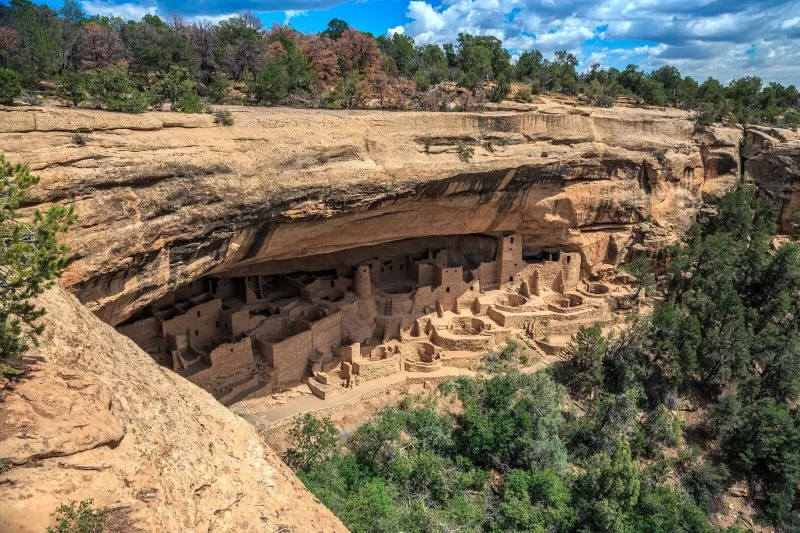
Mesa Verde National Park in Colorado is home to some of the best-preserved cliff dwellings and rock art in the U.S. The park offers a glimpse into the lives of the Ancestral Puebloans who lived in the area over 700 years ago. In addition to the cliff dwellings, Mesa Verde has numerous rock art sites, including petroglyphs and pictographs that depict scenes from daily life, hunting, and spiritual practices. It’s a great spot for history lovers who want to connect with the past through its unique art and architecture.
2.5. Great Sand Dunes National Park – Colorado
Great Sand Dunes National Park in Colorado is known for its towering sand dunes, but it also offers visitors a chance to see ancient rock art. The petroglyphs here are believed to have been created by the Ute people, and they can be found on the rocks surrounding the dunes. The combination of natural beauty and cultural history makes Great Sand Dunes a fantastic destination for rock art enthusiasts.
2.6. Chaco Culture National Historical Park – New Mexico
Chaco Culture National Historical Park is a UNESCO World Heritage Site that preserves the ruins of a vast ancient Puebloan center. The park is home to numerous rock art sites, including petroglyphs and pictographs that were created by the Ancestral Puebloans. These images are believed to have had both ceremonial and practical purposes, and the park’s remote location adds to its mystique. Chaco is a must-see for those interested in ancient cultures and rock art.
3 - How to Best Experience Rock Art
Experiencing rock art is not just about seeing the images on a wall or rock face—it’s about connecting with the history and culture behind the art. Here are some tips for making the most of your visit to rock art sites:
3.1. Take a Guided Tour
Many rock art sites offer guided tours led by knowledgeable rangers or local experts. These tours provide invaluable insight into the history, culture, and significance of the rock art. You’ll also learn about the ancient techniques used to create the images and the meaning behind them. A guide can help you spot less obvious petroglyphs and pictographs that you might miss on your own.
3.2. Respect the Art
Rock art is delicate and fragile, so it’s important to respect the sites you visit. Avoid touching the rock art, as oils from your skin can damage the surface. Stay on designated paths and follow the rules of the park to help preserve these ancient sites for future generations. Many sites have regulations in place to protect the art, so be sure to educate yourself on these guidelines before visiting.
3.3. Bring a Camera, but Be Mindful
While taking photos is often encouraged, be mindful of the lighting and angles. Some rock art sites are in shaded or dimly lit areas, making it difficult to capture clear images. Use natural light to your advantage, but avoid using flash photography, which can be damaging to the rock surface over time.
4 - Tips for Visiting Rock Art Sites
Before heading out to view rock art, it’s important to be prepared. Here are some tips to ensure you have an enjoyable and educational experience:
4.1. Wear Comfortable Shoes
Many rock art sites require hiking to access the best views. Be sure to wear comfortable, sturdy shoes that are suitable for rocky or uneven terrain. Some sites may require short or long hikes, so it’s important to be prepared for outdoor conditions.
4.2. Bring Water and Snacks
Rock art sites are often located in remote areas, so it’s important to bring plenty of water and some snacks for your hike. Staying hydrated is especially important in dry or hot conditions, so carry a water bottle and make sure to drink regularly.
4.3. Check the Weather
Before visiting rock art sites, check the weather forecast. Some sites are located in desert regions or high-altitude areas where the weather can change quickly. Be prepared for temperature shifts, and dress accordingly for comfort and safety.
If you’re ready to explore more U.S. rock art sites and plan your next adventure, visit Refined Travel for recommendations and resources to help you make the most of your journey.
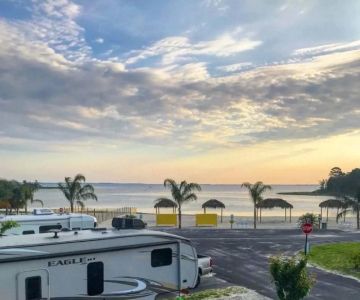

 Peanut's Crappie House & Campground4.0 (19 reviews)
 Pole Position Campground4.0 (43 reviews)
 Indianapolis KOA Holiday4.0 (1065 reviews)
 Breckenridge Estates3.0 (54 reviews)
 Indian Lake Islands Campground - Campsite #60.0 (0 reviews)
 Hideaway Mobile Home Park4.0 (16 reviews)
 Exclusive Travel Packages for First-Class Travelers: A Guide to Luxury Vacations
 Refined Travel Experiences in Southeast Asia: Explore Luxury & Unique Destinations
 How to Make the Most of Luxury Vacation Deals: Expert Tips for Savvy Travelers
 Refined Travel Itineraries for Art and Culture Lovers: Explore the World of Art and History
 How to Enjoy a Refined Travel Experience in the Mountains
 Most Luxurious Destinations for Honeymooners: Top Spots for Romance and Luxury