
- 1 - Planning Your Wildlife Photography Road Trip
- 2 - Choosing the Right Gear for Your Wildlife Photography Road Trip
- 3 - Best Wildlife Photography Locations for Road Trips
- 4 - Tips for Capturing the Perfect Wildlife Shots
- 5 - Managing Your Time on the Road for Optimal Photography
- 6 - Plan Your Next Wildlife Photography Adventure with Refined Travel
1. Planning Your Wildlife Photography Road Trip
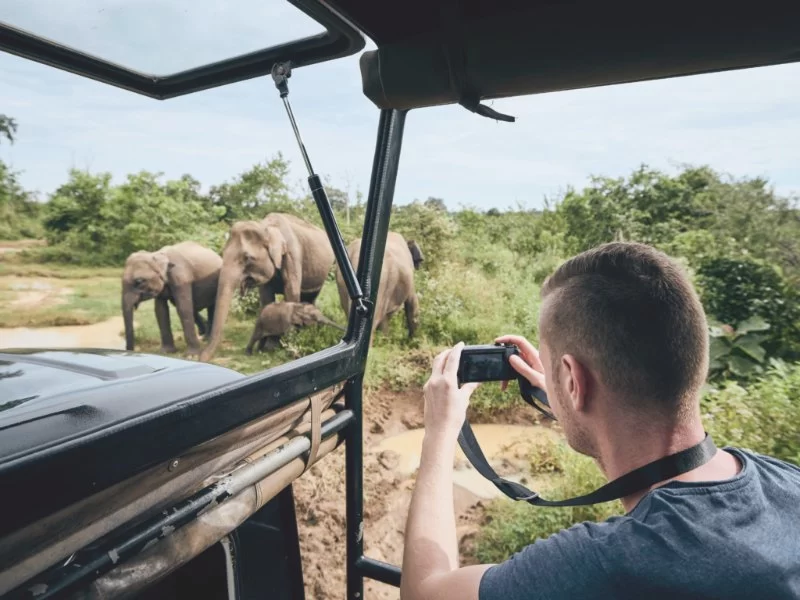
For years, I’ve dreamed of combining my passion for photography with the thrill of exploring the great outdoors. As an avid wildlife photographer, I knew the ultimate way to experience nature’s beauty was to plan a wildlife photography road trip. It seemed like the perfect adventure, where I could capture animals in their natural habitats while visiting some of the most breathtaking landscapes in the country.
Planning such a trip, however, requires more than just packing a camera and hitting the road. Over the years, I’ve learned that careful planning is crucial to ensure the trip is both enjoyable and successful in terms of the photos you want to take. Here are some essential tips I’ve picked up through my own experiences that will help you plan the perfect wildlife photography road trip.
1.1 Define Your Goals
Before you embark on your trip, it's important to define what you want to achieve. Are you looking to photograph specific animals, or are you more interested in capturing the overall beauty of the landscapes? This will help you narrow down the locations you need to visit and set a focused itinerary. For example, my recent trip to the Rocky Mountains was centered around capturing wildlife during the fall migration season.
1.2 Choose the Right Time of Year
Timing can make or break your wildlife photography experience. Some animals are more active during specific seasons, and certain landscapes look their best at certain times of the year. Research migration patterns, breeding seasons, and the best weather conditions for photography in your selected destinations. I learned this the hard way when I missed the golden hour at Yellowstone because I didn’t plan for the time of year properly!
2. Choosing the Right Gear for Your Wildlife Photography Road Trip
When I first started wildlife photography, I thought that any camera would do. However, I quickly realized that capturing the essence of nature requires specialized gear. As you plan your road trip, make sure you bring the right tools to get those stunning shots that will truly showcase the beauty of wildlife.
2.1 Camera Body and Lenses
Your camera is the most important tool in your photography kit. I recommend a DSLR or mirrorless camera with the ability to switch lenses. For wildlife photography, having a versatile lens is crucial. I rely on a telephoto lens to get close-up shots from a distance without disturbing the animals. A lens with at least 200mm of zoom is ideal for most wildlife, but I often carry a longer 600mm lens for birds and distant subjects.
2.2 Tripod and Stabilization Gear
A tripod is essential for wildlife photographers, especially for longer shots or capturing moving subjects in low light. A sturdy, lightweight tripod can make a huge difference in the sharpness of your photos. I also use a gimbal head for my tripod, which helps stabilize heavier lenses and ensures smooth panning while tracking animals.
2.3 Backup Batteries and Memory Cards
Wildlife photography requires patience, and you may find yourself waiting for hours for the perfect shot. I always carry multiple backup batteries and memory cards, as you never know when you’ll need them. It’s also a good idea to carry a portable charger for your camera and other devices while on the road.
3. Best Wildlife Photography Locations for Road Trips
Choosing the right locations is crucial to making your wildlife photography road trip a success. There are countless places across the United States that offer stunning wildlife and incredible opportunities for photographers. Below are some of my favorite spots, but there are so many more to discover depending on the animals and landscapes you want to capture.
3.1 Yellowstone National Park
Yellowstone is one of the most iconic wildlife photography destinations in the U.S. With its diverse habitats, you’ll find everything from bison and elk to wolves and bears. The geothermal features also add an extra layer of drama to your shots. I’ve spent countless hours at Yellowstone, and every time I visit, I discover new angles and opportunities for capturing wildlife in action.
3.2 Everglades National Park
If you’re interested in photographing exotic animals and wetlands, the Everglades is a must-visit. The park is home to alligators, manatees, and countless bird species. The unique landscape of swampy waters, mangrove forests, and sawgrass prairies offers dramatic backdrops for wildlife photography.
3.3 Denali National Park
Denali National Park in Alaska is a prime destination for those looking to photograph large mammals like bears, moose, and caribou, as well as breathtaking mountain vistas. The rugged terrain and vast, untouched landscapes make it an unforgettable spot for capturing iconic wildlife images.
4. Tips for Capturing the Perfect Wildlife Shots
As I’ve learned over the years, the best wildlife shots are often the result of patience, preparation, and a little bit of luck. Here are some of the tips I follow when trying to capture the perfect wildlife photograph:
4.1 Be Patient
Wildlife photography is not for those in a hurry. You may spend hours waiting for the perfect moment. I’ve learned to embrace the stillness, using the time to enjoy the environment and practice my craft. Often, the best shots come when you least expect them, after observing an animal’s behavior for a while.
4.2 Understand Animal Behavior
Understanding animal behavior is essential for capturing powerful images. For example, if you’re photographing birds, knowing their migration patterns or feeding habits will help you predict their movements. I’ve found that spending time observing animals before shooting can lead to much more compelling shots.
4.3 Use Natural Light
Natural light is your best friend when it comes to wildlife photography. Early mornings and late afternoons, known as the “golden hour,” offer the best lighting for soft, warm tones. Avoid shooting in harsh midday light, as it can cause unwanted shadows and overexposed highlights.
5. Managing Your Time on the Road for Optimal Photography
One of the most challenging aspects of a wildlife photography road trip is managing your time. It’s easy to get caught up in the excitement of driving from one destination to another, but it’s important to plan for long, slow photography sessions.
5.1 Prioritize Locations
Plan your trip around key wildlife habitats. Instead of rushing through as many locations as possible, prioritize places that align with the animals you want to photograph. Spending more time in fewer locations will yield better results.
5.2 Plan for Rest
Photography road trips can be exhausting, so it’s important to build in time for rest. Make sure you get plenty of sleep so that you’re energized for those early mornings when the animals are most active. I often build in downtime to explore the local culture or simply relax before heading out for the next shoot.
6. Plan Your Next Wildlife Photography Adventure with Refined Travel
If you’re ready to embark on your own wildlife photography road trip, Refined Travel can help you plan the ultimate adventure. With expert travel advice and curated itineraries, you can make the most of your photography road trip. Whether you need guidance on the best destinations or want to find local services to support your travel, Refined Travel offers resources to make your journey memorable and efficient.
Don’t wait to capture the stunning wildlife and landscapes waiting for you. Start planning your next photography adventure today!
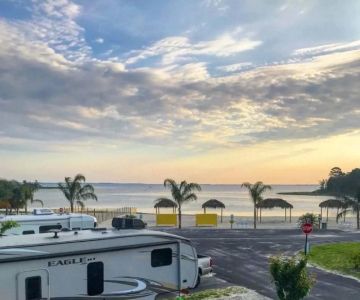

 Texas Lakeside RV Resort4.0 (219 reviews)
 Hidden Valley Park4.0 (29 reviews)
 Tranquil Waters RV Resort4.0 (20 reviews)
 Grande Woods South Manufactured Home Community4.0 (91 reviews)
 BWCA Campsite #9170.0 (0 reviews)
 Donovan Smith Manufactured Home Community3.0 (13 reviews)
 Exclusive Travel Packages for First-Class Travelers: A Guide to Luxury Vacations
 Refined Travel Experiences in Southeast Asia: Explore Luxury & Unique Destinations
 How to Make the Most of Luxury Vacation Deals: Expert Tips for Savvy Travelers
 Refined Travel Itineraries for Art and Culture Lovers: Explore the World of Art and History
 How to Enjoy a Refined Travel Experience in the Mountains
 Most Luxurious Destinations for Honeymooners: Top Spots for Romance and Luxury