
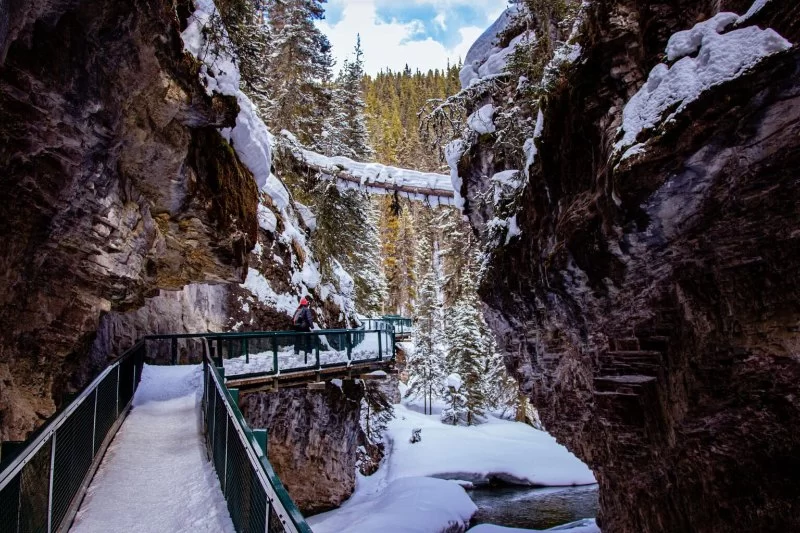
1. Why Winter Hiking Is a Great Outdoor Activity
As someone who loves the outdoors, I’ve always been drawn to hiking, no matter the season. But there’s something particularly magical about winter hikes. The crisp air, the quiet of snow-covered trails, and the breathtaking winter landscapes make it an experience unlike any other. Whether you're an experienced hiker or someone just getting started, winter hiking offers a unique opportunity to connect with nature in a completely different way. And if you're looking to explore the beauty of the season, there are some incredible places where you can enjoy outdoor winter hikes. Let’s dive into some of the best winter hiking destinations and why they’re worth visiting.
2. Best Winter Hiking Destinations in the U.S.
When it comes to winter hiking, there are some places in the U.S. that stand out for their stunning views and accessible trails. Over the years, I’ve had the pleasure of visiting a few of these winter wonderlands, and they never disappoint. Below are some of my favorite destinations for winter hiking:
2.1 Yosemite National Park, California
Yosemite is known for its towering granite cliffs, giant sequoias, and breathtaking waterfalls. But in the winter, this iconic park transforms into a snowy paradise. I’ve hiked through Yosemite in the winter and can confidently say it’s one of the most magical experiences I’ve had. The Glacier Point Road offers stunning views of Half Dome, and the Yosemite Valley is less crowded, allowing for a more serene experience. Winter hiking here is perfect for those who enjoy the peace and beauty of snow-covered landscapes. Just be sure to check trail conditions as winter storms can sometimes make hiking challenging.
2.2 Great Smoky Mountains, Tennessee & North Carolina
The Great Smoky Mountains are known for their rich biodiversity and picturesque views, but they also offer some fantastic winter hiking opportunities. I’ve spent many winters exploring trails like the Alum Cave Bluffs Trail, which offers incredible views of the surrounding snow-covered mountains. The Gatlinburg area is a popular starting point for winter hiking, and the trails are generally well-maintained. With a mix of moderate and easy hikes, this area is perfect for both beginners and experienced hikers looking to enjoy the winter outdoors. Don’t forget to pack layers, as temperatures can vary significantly in the mountains.
2.3 Zion National Park, Utah
If you're looking for a winter hike that offers both incredible scenery and manageable temperatures, Zion National Park in Utah is a fantastic option. While Zion is most famous for its red rock canyons and unique geological formations, it’s equally breathtaking in winter. I particularly enjoyed hiking the Angels Landing trail, which, while challenging, offers some of the most rewarding views in the park. The winter months see fewer crowds, which means a more peaceful hiking experience. With daytime temperatures in the 40s to 50s, it’s a great choice for those looking for a bit of adventure without extreme cold weather.
2.4 Mount Rainier National Park, Washington
If you’re looking for a true winter wonderland, Mount Rainier is a must-visit destination. Known for its towering snow-covered peak, Mount Rainier National Park offers some of the best winter hiking in the Pacific Northwest. I’ve hiked here in the winter and was completely mesmerized by the frozen waterfalls and snowy landscapes. The Paradise Area is famous for its winter hiking trails, including the Skyline Trail, which offers panoramic views of the mountain and surrounding valleys. Just be prepared for colder temperatures and the possibility of snowstorms, as the weather can change quickly in the mountains.
3. Essential Tips for Winter Hiking
Winter hiking can be an incredibly rewarding experience, but it also requires some preparation. Having gone on many winter hikes myself, here are a few tips I’ve learned along the way to ensure a safe and enjoyable adventure:
- Wear the right gear: Make sure to layer your clothing and wear moisture-wicking fabrics to stay warm and dry. I always recommend wearing waterproof boots and gaiters to keep snow out of your shoes, as well as insulated gloves and hats.
- Check trail conditions: Always check the weather and trail conditions before heading out. Winter storms can quickly change trail conditions, so it’s important to stay informed and adjust your plans if necessary.
- Bring extra supplies: In winter, daylight hours are shorter, so bring a headlamp, extra food, and water. It’s better to be over-prepared than under-prepared.
- Know your limits: Winter hiking can be more challenging than hiking in warmer months, so make sure to choose trails that match your skill level and stamina. If conditions are too harsh or the trail is too icy, it’s okay to turn back.
4. Where to Find Gear and Resources for Winter Hiking
If you’re planning a winter hike, having the right gear is crucial. At Refined Travel, you can find a wide range of hiking equipment, from winter boots to insulated jackets and trekking poles, to ensure you stay safe and comfortable during your outdoor adventures. Whether you’re a seasoned hiker or a beginner, having the right tools can make all the difference in your winter hiking experience.



 Mashomouquet Campground4.0 (3 reviews)
 The Reserve at Flores Valley4.0 (13 reviews)
 Huron River Mobile Home Park3.0 (41 reviews)
 Croton Township Campground4.0 (223 reviews)
 Larson's Landing RV Park4.0 (32 reviews)
 Ron Hoover Oasis RV Park4.0 (147 reviews)
 Exclusive Travel Packages for First-Class Travelers: A Guide to Luxury Vacations
 Refined Travel Experiences in Southeast Asia: Explore Luxury & Unique Destinations
 How to Make the Most of Luxury Vacation Deals: Expert Tips for Savvy Travelers
 Refined Travel Itineraries for Art and Culture Lovers: Explore the World of Art and History
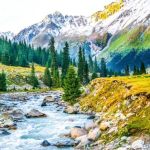 How to Enjoy a Refined Travel Experience in the Mountains
 Most Luxurious Destinations for Honeymooners: Top Spots for Romance and Luxury