
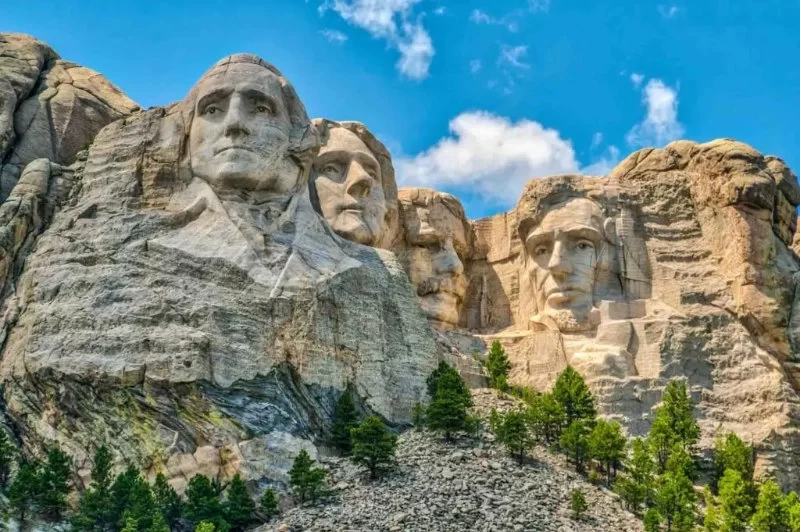
Guide to Visiting National Monuments Across the U.S.
Whether you're a history enthusiast, an outdoor adventurer, or simply someone looking to explore new landscapes, the U.S. is home to a vast array of national monuments that offer something for every traveler. These monuments, often designated to preserve historically or culturally significant sites, are spread across the country and offer unique opportunities to connect with America’s heritage and natural beauty. In this guide, we'll walk you through how to visit some of the best national monuments across the U.S., share tips on what to see, and offer insights on how to make the most of your visit.
1. What Are National Monuments?
National monuments in the United States are designated areas that preserve significant historical landmarks, natural features, or cultural sites. These monuments are typically managed by the National Park Service (NPS) and are a great way to immerse yourself in the history and natural wonders of the country. Unlike national parks, which can be much larger in scope, national monuments tend to focus on preserving specific features or areas that have historical, scientific, or cultural value.
2. Top National Monuments to Visit
The U.S. is home to many national monuments, each with its own unique appeal. Whether you’re exploring a prehistoric site or marveling at natural rock formations, these monuments promise an unforgettable experience.
2.1 Statue of Liberty National Monument
Located in New York Harbor, the Statue of Liberty National Monument is one of the most iconic landmarks in the U.S. A symbol of freedom and democracy, this monument draws millions of visitors each year. You can visit Liberty Island and Ellis Island to learn about the immigrant experience and the history of this monumental statue. Don’t forget to climb to the top for breathtaking views of the Manhattan skyline!
2.2 Grand Canyon-Parashant National Monument
Situated in northwestern Arizona, this lesser-known national monument is perfect for those seeking a more remote experience compared to the Grand Canyon National Park. With over a million acres of rugged terrain, you’ll find dramatic canyons, volcanic fields, and diverse wildlife. It’s an ideal spot for hiking, camping, and stargazing.
2.3 Bears Ears National Monument
Located in southeastern Utah, Bears Ears is known for its stunning red rock formations and its importance to Native American tribes. The monument was created to protect the rich cultural heritage of the area, which includes cliff dwellings and petroglyphs. Hiking and exploring the landscape here feels like stepping into another world. Be sure to take a guided tour to learn about the history and culture of this sacred place.
2.4 Devils Tower National Monument
In northeastern Wyoming, you’ll find one of the most recognizable landmarks in the country—Devils Tower. A volcanic formation that rises 1,267 feet above the surrounding landscape, this unique rock tower offers opportunities for hiking, rock climbing, and wildlife viewing. It’s also a significant spiritual site for Native American tribes, making it a place of both natural and cultural significance.
3. Planning Your Visit to a National Monument
Visiting a national monument can be an enriching experience, but planning ahead is key to making the most of your trip. Here are a few tips for a successful visit:
3.1 Research the Monument's Features
Before heading out, make sure to research the monument you plan to visit. Look for information on the key features of the site, the best time to visit, and any specific requirements, such as permits for hiking or camping. Each monument has its own unique features, and knowing what to expect will help you get the most out of your visit.
3.2 Check for Visitor Centers and Guided Tours
Many national monuments have visitor centers where you can gather more information, purchase souvenirs, and interact with park rangers. Some monuments also offer guided tours, which can enrich your understanding of the site’s history and cultural significance. If you're unfamiliar with the area or want to learn more about its background, a guided tour can be an excellent option.
3.3 Plan for the Outdoors
Most national monuments are located in remote or outdoor environments, so be sure to pack appropriately. This includes comfortable hiking shoes, water, sunscreen, and weather-appropriate clothing. If you plan on camping or hiking, make sure to check for any necessary permits and restrictions.
4. Why Visit a National Monument?
National monuments are more than just beautiful places; they offer a chance to connect with the country’s rich history and diverse landscapes. Visiting these sites can provide educational experiences, opportunities for outdoor recreation, and a deeper understanding of the cultural and environmental significance of the area. By preserving these sites, we ensure that future generations will be able to experience them as well.
4.1 Cultural and Historical Significance
Many national monuments are designed to protect cultural and historical landmarks. These sites give us insight into America’s past, from Native American heritage to the stories of early settlers and explorers. For example, visiting monuments like the Bears Ears National Monument provides an opportunity to understand Native American culture and the sacredness of the land.
4.2 Natural Beauty
Aside from their historical significance, national monuments often protect stunning natural features, such as majestic mountains, rock formations, and unique ecosystems. Whether you're hiking the rugged terrain of Devils Tower or marveling at the vastness of the Grand Canyon, these monuments offer some of the most breathtaking natural beauty in the world.
5. Real-Life Example: A Journey Through America’s Monuments
One traveler, Emily, decided to embark on a cross-country journey to visit several national monuments in the U.S. She started with the Statue of Liberty, where she learned about the history of immigration and freedom in the U.S. Then, she ventured to the Grand Canyon-Parashant National Monument for some hiking and stargazing under clear desert skies. Finally, she ended her journey at Bears Ears, where she took a guided tour to learn about the Native American tribes that consider the land sacred. Emily’s journey was not only an adventure but also an eye-opening experience that deepened her appreciation for the U.S.’s natural and cultural heritage.
If you're looking to plan your own adventure to visit national monuments across the U.S., check out Refined Travel for more information and recommendations on travel itineraries, accommodations, and tours to help you make the most of your trip.




 Treeside RV Resort4.0 (195 reviews)
 Crane Berry Campground, LLC4.0 (24 reviews)
 Baloo campsite0.0 (0 reviews)
 Lake Somerset Family Campground4.0 (204 reviews)
 Indian Valley Campground And Canoe Livery4.0 (430 reviews)
 Sunsets RV Park0.0 (0 reviews)
 Exclusive Travel Packages for First-Class Travelers: A Guide to Luxury Vacations
 Refined Travel Experiences in Southeast Asia: Explore Luxury & Unique Destinations
 How to Make the Most of Luxury Vacation Deals: Expert Tips for Savvy Travelers
 Refined Travel Itineraries for Art and Culture Lovers: Explore the World of Art and History
 How to Enjoy a Refined Travel Experience in the Mountains
 Most Luxurious Destinations for Honeymooners: Top Spots for Romance and Luxury