
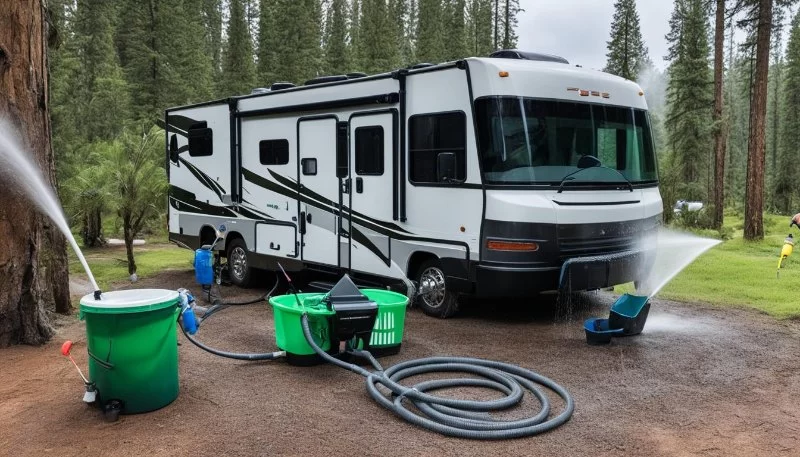
Guide to RV Freshwater Tank Winter Care
Winterizing your RV is crucial to ensure it stays in good condition, especially when it comes to the freshwater tank. Freezing temperatures can cause damage to your RV’s plumbing and freshwater tank, leading to costly repairs. In this guide, we’ll walk you through the essential steps to properly care for your RV’s freshwater tank during winter, keeping it safe and functional for the next camping season.
1. Why Winter Care for Your RV’s Freshwater Tank Is Essential
As temperatures drop, water inside your RV’s freshwater tank, pipes, and fittings can freeze, expand, and potentially crack or burst the system. The damage can be severe, leading to leaks, water damage, and costly repairs. Proper winter care can prevent freezing, ensuring your RV is ready to go when the warm weather returns.
1.1 Risks of Not Winterizing
Failing to properly winterize your freshwater tank can result in a variety of issues, including:
- Cracked freshwater tanks and pipes
- Frozen and damaged water pumps
- Leaks and water damage to the interior of your RV
- Expensive repairs that could have been avoided
2. Step-by-Step Guide to Winterizing Your RV Freshwater Tank
Winterizing your RV’s freshwater system may seem daunting, but with a little preparation, it can be done efficiently. Below, we’ve outlined the key steps to protect your freshwater tank and plumbing during winter.
2.1 Drain the Freshwater Tank and System
The first step in winterizing your RV’s freshwater tank is to drain all water from the system. This includes the freshwater tank, the water lines, and the water heater. Begin by opening all faucets and allowing the water to flow out completely. Don't forget to empty the toilet, shower, and any other water fixtures.
2.2 Use Antifreeze to Protect the System
After draining the system, it’s time to add RV-specific antifreeze to the plumbing system. This antifreeze will protect your pipes, faucets, and freshwater tank from freezing temperatures. Be sure to use non-toxic antifreeze designed for RV systems, as it is safe for both humans and pets.
To add antifreeze, connect a pump or siphon to the freshwater intake and pour the antifreeze into the system. Run the water through the lines until you see pink antifreeze coming out of every faucet and fixture. This ensures that antifreeze has reached all the pipes and the freshwater tank.
2.3 Insulate Exposed Plumbing
Insulating exposed water pipes and tanks is another important step to prevent freezing. Use foam pipe insulation or heat tape to wrap any vulnerable areas. This step is especially important if your RV is in an area that experiences extreme cold.
3. Storing Your RV During the Winter
If you don’t plan on using your RV during the winter months, storing it properly will help protect the freshwater system and prevent any potential damage. Find a dry, sheltered location to park your RV, such as a garage or covered storage facility. If indoor storage isn’t an option, use a high-quality RV cover to shield your vehicle from the elements.
3.1 Protect the Freshwater Tank with a Tank Heater
If you plan to use your RV in winter conditions or store it in an area with freezing temperatures, consider installing a freshwater tank heater. This device keeps the freshwater tank above freezing, even in the coldest climates, ensuring that your RV’s water supply remains usable and intact throughout the winter.
3.2 Store the RV in a Heated Area
If possible, store your RV in a heated area where temperatures remain above freezing. This can be especially helpful in preventing the freshwater tank and plumbing from freezing, eliminating the need for antifreeze and additional winterization steps.
4. Real-World Case: Winter RVing in the Mountains
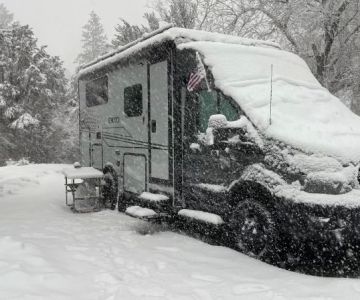
Consider the case of a couple who loves RV camping in the mountains during the winter. They learned the hard way that without proper winter care, their RV’s freshwater system could freeze even in moderate temperatures. After one especially cold trip, they found that their freshwater tank had cracked and leaked, causing significant damage. They quickly realized that winterizing their RV’s freshwater tank before their next trip would save them from costly repairs.
Since then, they’ve made winterizing their RV a part of their seasonal maintenance routine. By draining the system, adding antifreeze, and ensuring proper insulation, they’ve been able to continue enjoying their winter adventures without worrying about frozen pipes and damaged plumbing.
5. How Refined Travel Can Help
Proper care of your RV’s freshwater system is an essential part of RV ownership. At Refined Travel, we offer a wide range of RV maintenance products, including antifreeze, plumbing insulation, and freshwater tank heaters, to help keep your RV in top shape during the winter months. Browse our selection to find the best products for winterizing your RV and protecting your investment.



 Evans County PFA4.0 (113 reviews)
 Whispering Oaks Campground4.0 (83 reviews)
 Willow Lake MHC2.0 (11 reviews)
 CAVANAL VIEW RV PARK5.0 (7 reviews)
 Stoll Manor3.0 (204 reviews)
 Abilene KOA Journey4.0 (533 reviews)
 Exclusive Travel Packages for First-Class Travelers: A Guide to Luxury Vacations
 Refined Travel Experiences in Southeast Asia: Explore Luxury & Unique Destinations
 How to Make the Most of Luxury Vacation Deals: Expert Tips for Savvy Travelers
 Refined Travel Itineraries for Art and Culture Lovers: Explore the World of Art and History
 How to Enjoy a Refined Travel Experience in the Mountains
 Most Luxurious Destinations for Honeymooners: Top Spots for Romance and Luxury