
Guide to RV Rentals: What to Know Before You Book Your Adventure
Planning an RV trip can be an exciting and rewarding experience, but before you hit the open road, there are several things you need to consider. Renting an RV offers a unique way to explore new destinations with the comforts of home, but it’s essential to understand the process and make informed decisions before booking your RV rental. In this guide, I’ll share everything you need to know about RV rentals, from the types of RVs to consider, the rental process, and tips for ensuring a smooth and enjoyable journey.
- Types of RVs to Consider for Your Trip
- How to Book an RV Rental
- Costs Associated with RV Rentals
- Tips for First-Time RV Renters
- Real-Life RV Rental Experiences
Types of RVs to Consider for Your Trip
One of the first decisions you'll make when renting an RV is choosing the right type for your trip. There are various types of RVs, each suited to different needs, preferences, and travel styles. Here’s a breakdown of the most common types of RVs you’ll encounter:
1. Class A Motorhomes
Class A motorhomes are the largest and most luxurious RVs available. They are built on a bus chassis and offer plenty of living space, often featuring full kitchens, bathrooms, and sleeping areas. Class A RVs are perfect for long trips or for families who want the most comfort and space on the road. However, they can be more challenging to drive and park, making them better suited for experienced RV travelers.
2. Class B Motorhomes (Camper Vans)
Class B motorhomes, also known as camper vans, are much smaller and more compact than Class A motorhomes. They are built on a van chassis and are perfect for couples or solo travelers who want a more manageable RV experience. While they may not offer as much living space as Class A RVs, they are easier to drive, park, and navigate through cities. They typically come with a small kitchenette, bed, and bathroom facilities.
3. Class C Motorhomes
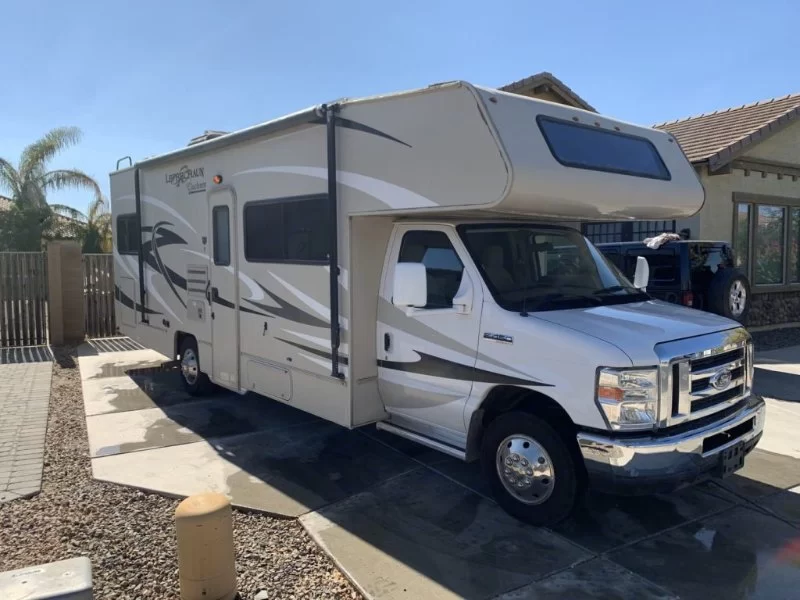
Class C motorhomes are a popular option for families and groups due to their balance of size and maneuverability. Built on a truck chassis, Class C RVs offer ample space for sleeping, cooking, and dining while still being easier to drive and park than a Class A. They are often equipped with a cab-over design, providing additional sleeping space. Class C RVs are a great middle ground for those who want comfort but also prefer a more practical, budget-friendly option.
4. Travel Trailers
Travel trailers are towable RVs that require a separate vehicle to pull them. They come in various sizes and configurations, from small pop-up campers to large, luxury models. Travel trailers are an excellent choice for those who want the flexibility to detach the RV and explore a destination without hauling the entire trailer around. However, you’ll need a vehicle capable of towing the trailer, and parking and setup can take more time than with motorhomes.
5. Fifth Wheel Trailers
Fifth wheel trailers are a type of travel trailer that attaches to a special hitch in the bed of a truck. These trailers are known for offering more living space and luxury features compared to standard travel trailers. They are ideal for long-term stays and provide a smooth ride due to their connection point being over the truck’s rear axle. Like travel trailers, you’ll need a capable towing vehicle for a fifth wheel, but they offer more stability and ease of driving on the road.
How to Book an RV Rental
Booking an RV rental is straightforward, but there are a few important steps you should follow to ensure everything goes smoothly. Here's a guide to help you book the perfect RV rental for your trip:
1. Research Rental Companies
Start by researching RV rental companies. There are several well-known RV rental agencies, such as Outdoorsy, Cruise America, and RVshare, that offer a wide range of vehicles to suit different needs and budgets. You can also check local companies or dealerships that offer RV rentals. Take time to compare prices, availability, and customer reviews to find the best company for your needs.
2. Choose the Right RV
Once you’ve narrowed down your rental companies, it’s time to select the RV that suits your needs. Consider factors like the number of people traveling, the length of your trip, and your driving comfort level. If you’re new to RVing, you may want to opt for a smaller, easier-to-drive RV, such as a Class C motorhome or camper van.
3. Review Rental Terms and Insurance
Before finalizing your booking, be sure to carefully review the rental terms and conditions. Check for any restrictions, such as mileage limits, geographic boundaries, and age requirements. Additionally, consider purchasing RV insurance to protect yourself from unexpected damages or accidents during your trip. Some rental companies offer insurance, or you may be able to purchase coverage through third-party providers.
4. Confirm Your Booking
After choosing the RV and reviewing the terms, confirm your booking and make any necessary deposits. Many rental companies require a deposit to secure the reservation. Be sure to confirm pickup and drop-off times, as well as any additional fees (e.g., cleaning fees, late return fees). It's always best to ask questions if you're unsure about anything.
Costs Associated with RV Rentals
RV rentals can vary in price based on several factors, including the type of RV, the rental company, the rental period, and the season. Here’s a breakdown of the costs you may encounter when renting an RV:
1. Daily Rental Rates
Daily rental rates typically range from $50 to $300 per day, depending on the RV type and size. Class A motorhomes tend to be the most expensive, while camper vans and smaller travel trailers are usually more affordable. Rates may also fluctuate based on peak travel seasons, with higher prices during the summer months or holidays.
2. Mileage Fees
Many RV rentals come with a set amount of free mileage (e.g., 100 miles per day), after which you’ll be charged an additional fee. This fee typically ranges from $0.25 to $1.00 per mile. If you’re planning a long road trip, be sure to factor in these mileage fees when calculating your budget.
3. Insurance and Deposits
Insurance is essential when renting an RV, and rental companies often offer various options. Some charge an additional daily fee for insurance, while others include it in the rental price. Be sure to check for any refundable or non-refundable deposits, which can range from $500 to $1,000, depending on the RV.
4. Additional Fees
In addition to the rental price, there may be other fees, such as cleaning fees, prep fees, or generator usage fees. Some rental companies charge for optional services like kitchen kits, bedding, or towing equipment. Always read the fine print to avoid any surprises.
Tips for First-Time RV Renters
If you’re new to RVing, here are a few tips to ensure your trip goes smoothly:
1. Practice Driving the RV
Driving an RV can be challenging if you’ve never done it before. Make sure to take the RV for a test drive before you hit the road. Practice turning, parking, and maneuvering in different environments, such as parking lots and narrow streets, to get comfortable with the vehicle.
2. Plan Your Route and Stops
Before your trip, plan your route and identify RV-friendly campsites along the way. Many campsites cater specifically to RVs, providing amenities like hookups for electricity and water. It’s also a good idea to check for gas stations along the route that can accommodate large RVs.
3. Pack Smart
RVs have limited space, so it’s important to pack efficiently. Bring only the essentials and avoid overpacking. Consider investing in storage solutions like bins and organizers to make the most of the available space in the RV.
Real-Life RV Rental Experiences
Many people have found RV rentals to be the perfect way to explore new destinations. For example, I recently rented a Class C motorhome for a week-long road trip along the Pacific Coast. The experience was unforgettable. We had the flexibility to travel at our own pace, enjoy breathtaking views, and sleep in comfort without worrying about hotel accommodations. The RV rental process was smooth, and the company provided a detailed walkthrough before we hit the road. If you're planning your own RV adventure, I recommend checking out services like Refined Travel to find the best rental options for your needs.


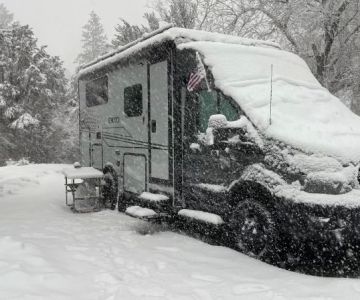

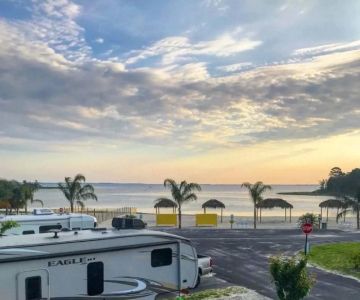

 Dullen Loop Campsite4.0 (1 reviews)
 Tuskegee NF Tent Site #64.0 (2 reviews)
 Pecan Ridge Mobile Home Park2.0 (16 reviews)
 Stony Creek Family Campground4.0 (32 reviews)
 Wichita Bend RV Park4.0 (138 reviews)
 Rocky Fork State Park Campground4.0 (10 reviews)
 Exclusive Travel Packages for First-Class Travelers: A Guide to Luxury Vacations
 Refined Travel Experiences in Southeast Asia: Explore Luxury & Unique Destinations
 How to Make the Most of Luxury Vacation Deals: Expert Tips for Savvy Travelers
 Refined Travel Itineraries for Art and Culture Lovers: Explore the World of Art and History
 How to Enjoy a Refined Travel Experience in the Mountains
 Most Luxurious Destinations for Honeymooners: Top Spots for Romance and Luxury