
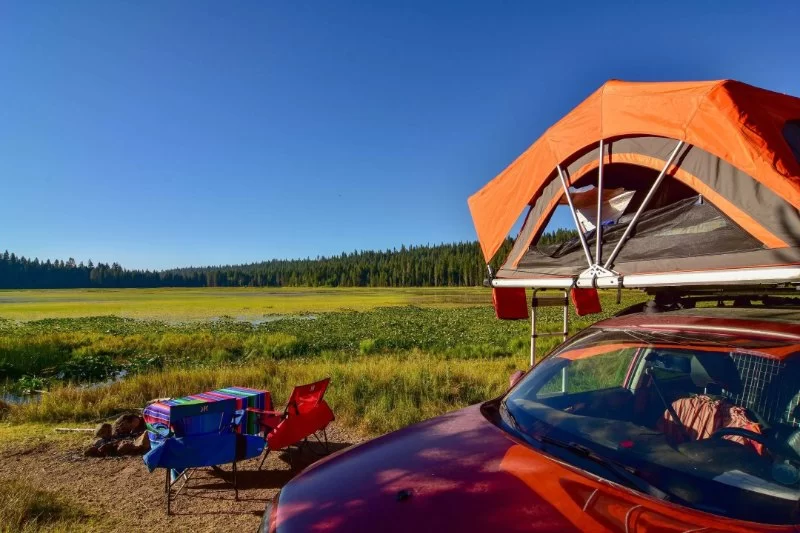
- 1-Understanding-Free-Camping-for-Budget-Travelers
- 2-Where-to-Find-Free-Campsites-in-the-US
- 3-Tools-and-Resources-to-Locate-Free-Camping
- 4-Real-Stories-from-Budget-Campers
- 5-Practical-Tips-for-Safe-and-Responsible-Free-Camping
1. Understanding Free Camping for Budget Travelers
Traveling across the United States can be incredibly rewarding, but accommodation costs often add up quickly. Hotels, cabins, and even many campgrounds charge fees that can stretch a travel budget. That’s why many outdoor enthusiasts start searching for ways to camp for free. Learning how to find the best free campsites for budget travelers can completely change the way you experience travel.
Free camping, often called dispersed camping or boondocking, usually takes place on public land such as national forests or Bureau of Land Management (BLM) areas. These lands allow visitors to camp outside of traditional campgrounds without paying nightly fees. For budget travelers, van lifers, and backpackers, this option opens the door to exploring beautiful landscapes without the financial pressure of expensive accommodations.
1.1 What Free Camping Really Means
Free camping does not necessarily mean luxury amenities. Most dispersed campsites do not provide restrooms, electricity, or water hookups. Instead, they offer something many travelers value even more: quiet natural surroundings, open skies, and the freedom to explore.
For many people, the first experience of free camping becomes unforgettable. I still remember the first night I camped on public land in Utah. There were no campground hosts, no crowded parking areas, and no reservation system. Just a quiet mesa, a clear sky full of stars, and complete silence.
1.2 Why Budget Travelers Prefer Free Campsites
Budget travelers often discover that free camping offers more than just saving money. It allows for spontaneous travel decisions and deeper connections with nature.
1. It removes nightly campground costs that can reach $30–$60 per night.
2. It provides access to remote landscapes that traditional campgrounds rarely reach.
3. It encourages slow travel and exploration rather than rushing from one reservation to the next.
These benefits make free campsites especially appealing for road trips, van life journeys, and long-term outdoor travel.
2. Where to Find Free Campsites in the US
Finding free campsites requires understanding where public land exists and which areas allow dispersed camping. Fortunately, the United States has millions of acres of public land available for outdoor recreation.
2.1 National Forest Land
National forests are one of the most common places for free camping. These lands are managed by the U.S. Forest Service and often allow dispersed camping outside developed campgrounds.
Unlike national parks, which usually require reservations or fees, national forests offer more flexibility. Many forest roads lead to quiet camping spots surrounded by mountains, rivers, or forests.
2.2 Bureau of Land Management (BLM) Areas
BLM land is particularly popular among RV travelers and van lifers. Large sections of the western United States, including states like Nevada, Utah, Arizona, and New Mexico, contain extensive BLM territory.
These areas often allow camping for up to 14 days in one location before travelers must move to a new site.
2.3 Wildlife Management Areas and State Land
Some states also allow free camping in designated wildlife management areas or state forest lands. Regulations vary, so it’s always important to check local guidelines before setting up camp.
Travelers researching budget-friendly adventures often discover new camping areas through outdoor travel communities and platforms such as Refined Travel, where camping gear suggestions, travel routes, and outdoor services can make planning much easier.
3. Tools and Resources to Locate Free Camping
Finding great free campsites used to require local knowledge or extensive map reading. Today, technology makes the process far easier.
3.1 Mobile Apps for Camping Locations
Several mobile apps help travelers locate free camping spots across the United States.
1. Community-driven camping apps with user reviews.
2. Maps showing public land boundaries.
3. GPS-based campsite discovery tools.
Many of these apps include photos, road conditions, and notes from previous campers.
3.2 Satellite Maps and Terrain Tools
Experienced campers often use satellite maps to scout potential locations before arriving. Satellite imagery helps identify flat areas, forest clearings, and access roads.
This technique is particularly useful for travelers exploring remote regions where traditional campgrounds are rare.
3.3 Local Ranger Stations
Another surprisingly effective resource is local ranger stations. Park rangers often know lesser-known areas suitable for dispersed camping and can provide guidance on road conditions and fire restrictions.
4. Real Stories from Budget Campers
One of the reasons free camping continues to grow in popularity is the number of travelers sharing their experiences online.
4.1 The Road Trip That Inspired Thousands
A few years ago, a couple documenting their cross-country road trip began posting videos showing how they traveled across the U.S. using mostly free campsites. Their videos quickly went viral because viewers were amazed by the stunning landscapes they discovered without spending money on campgrounds.
The couple explained how they relied on public land maps, camping apps, and local advice to find incredible overnight locations.
4.2 A Solo Backpacker’s Discovery
I once met a solo backpacker in Colorado who had been traveling for months using mostly free campsites. He described waking up beside alpine lakes, desert cliffs, and pine forests — all without paying campground fees.
His philosophy was simple: the best travel experiences often happen when you step away from crowded places and explore quieter corners of the landscape.
5. Practical Tips for Safe and Responsible Free Camping
While free camping offers incredible freedom, it also requires responsibility. Respecting nature and following basic outdoor ethics ensures these areas remain open for future travelers.
5.1 Follow Leave No Trace Principles
Leave No Trace principles are essential when camping on public land.
1. Pack out all trash and food waste.
2. Avoid damaging vegetation or wildlife habitats.
3. Use existing clearings rather than creating new campsites.
Responsible camping protects the landscapes that make free camping so special.
5.2 Prepare for Remote Conditions
Many free campsites are far from services or cell phone reception. Travelers should always bring enough water, food, and emergency supplies.
Weather can also change quickly in remote areas, so preparation is essential.
5.3 Understand Local Regulations
Even though many public lands allow free camping, rules still apply. These may include limits on campfire use, length of stay, and distance from roads or water sources.
Checking local guidelines ensures a safe and legal camping experience.
For travelers eager to explore nature without breaking their budget, learning how to find the best free campsites for budget travelers opens up a completely new style of adventure. With the right preparation, tools, and respect for the outdoors, free camping can transform ordinary road trips into unforgettable journeys across some of America’s most beautiful landscapes.

 KampGigi4.0 (17 reviews)
 Brushy Creek South Equine Campground4.0 (27 reviews)
 Antrim Meadows Campground4.0 (55 reviews)
 Patrick's Point River Camp5.0 (84 reviews)
 Under the Hemlock LLC4.0 (141 reviews)
 Elkmont Club Cabin #2, Smith5.0 (2 reviews)
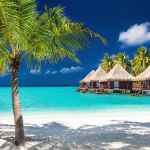 Exclusive Travel Packages for First-Class Travelers: A Guide to Luxury Vacations
 Refined Travel Experiences in Southeast Asia: Explore Luxury & Unique Destinations
 How to Make the Most of Luxury Vacation Deals: Expert Tips for Savvy Travelers
 Refined Travel Itineraries for Art and Culture Lovers: Explore the World of Art and History
 How to Enjoy a Refined Travel Experience in the Mountains
 Most Luxurious Destinations for Honeymooners: Top Spots for Romance and Luxury