
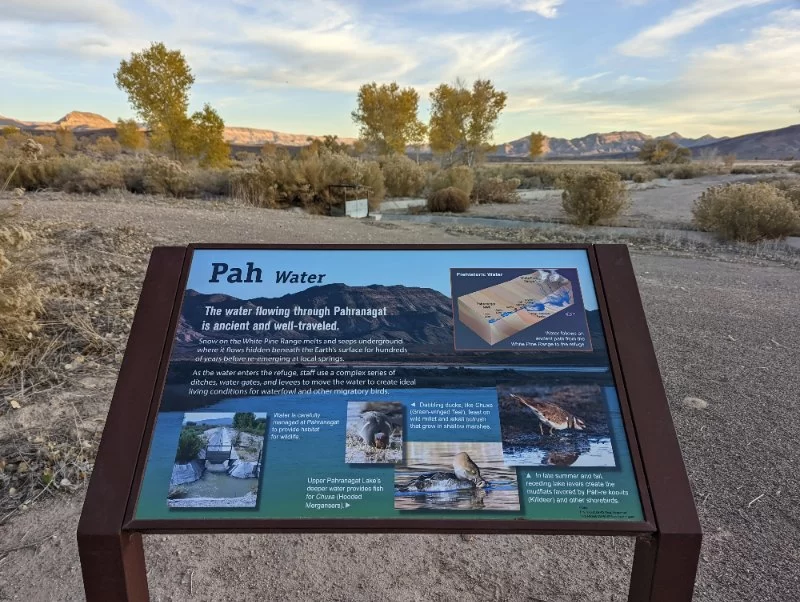
- Why Choose a National Wildlife Refuge Road Trip?
- Top National Wildlife Refuges to Visit on Your Road Trip
- Planning Your National Wildlife Refuge Road Trip
- What to Bring on a National Wildlife Refuge Road Trip
- Personal Experience: My Road Trip to National Wildlife Refuges
1. Why Choose a National Wildlife Refuge Road Trip?
If you’re an avid nature lover or someone seeking an escape from the hustle and bustle of daily life, a road trip to National Wildlife Refuges is the perfect way to explore the natural beauty of the United States. These refuges, managed by the U.S. Fish and Wildlife Service, offer protected habitats for diverse wildlife, and they provide an opportunity to experience some of the most pristine and serene landscapes in the country. As someone who loves both nature and adventure, a road trip through these refuges is an unforgettable experience.
Not only are these refuges home to a wide variety of species, from birds to mammals to aquatic life, but they also offer stunning views, hiking trails, and peaceful retreats. The best part? They are often less crowded than national parks, allowing for a more immersive experience in nature. This makes them ideal for a road trip—where you can stop, take in the beauty, and enjoy the quiet surroundings without the large crowds often found in popular tourist spots.
2. Top National Wildlife Refuges to Visit on Your Road Trip
There are hundreds of National Wildlife Refuges across the United States, each with its own unique ecosystems and opportunities for wildlife viewing. Below are some of the top refuges I recommend visiting on your road trip, based on my personal experiences and the beauty these places offer:
2.1. San Juan Islands National Wildlife Refuge (Washington)
Located in the stunning San Juan Islands, this refuge is a haven for marine life and seabirds. The rocky shorelines and surrounding waters are teeming with otters, seals, and orca whales. It’s an incredible spot for wildlife viewing, and the scenery is breathtaking, especially at sunrise or sunset. Whether you’re on a boat tour or hiking along the shore, there’s plenty to see and do in this unique part of the Pacific Northwest.
2.2. Alligator River National Wildlife Refuge (North Carolina)
For those looking to explore the East Coast, Alligator River National Wildlife Refuge is a must-see. This swampy haven is home to a wide range of wildlife, including black bears, deer, and the elusive red wolf. The refuge offers various trails, including those that lead through marshes and wetlands, providing ample opportunities to see wildlife up close. It’s a great destination for those interested in wetland ecosystems and birdwatching.
2.3. Arctic National Wildlife Refuge (Alaska)
If you’re seeking an adventure of a lifetime, the Arctic National Wildlife Refuge is an iconic destination. This vast wilderness in Alaska is one of the most pristine and remote regions in the U.S. Home to caribou, polar bears, and migratory birds, this refuge offers breathtaking landscapes, from snowy mountains to tundra. A road trip here requires careful planning, but it’s worth every bit of effort for those looking to experience the wild beauty of the Arctic.
2.4. Merritt Island National Wildlife Refuge (Florida)
Located along the coast of Florida, Merritt Island is a must-visit for bird enthusiasts. This refuge is home to more than 300 species of birds, including the endangered manatee and American crocodile. The trails and observation decks here offer fantastic views of both wildlife and the surrounding wetlands. Merritt Island is a perfect blend of coastal beauty and diverse wildlife, making it an excellent stop on your road trip through Florida.
3. Planning Your National Wildlife Refuge Road Trip
Once you’ve selected the refuges you’d like to visit, it’s time to plan your road trip! Here are some key steps to ensure a smooth and enjoyable journey:
3.1. Research the Best Time to Visit
Each refuge has its own peak seasons, so it’s important to plan your trip based on when the wildlife is most active and accessible. For example, bird migrations might be at their peak in the fall and spring, while summer may offer the best conditions for hiking and exploring. Researching the best times to visit ensures that you’ll get the most out of your visit and have a higher chance of spotting wildlife.
3.2. Pack Appropriately
Since you’ll likely be visiting various environments—ranging from wetlands to forests to coastal areas—it’s important to pack accordingly. I recommend bringing comfortable hiking shoes, waterproof gear, binoculars for birdwatching, and a good camera. Don’t forget a map, sunscreen, and insect repellent, as these will be essential on your journey.
3.3. Check for Special Programs or Tours
Many National Wildlife Refuges offer guided tours, special programs, or seasonal events that can enhance your experience. Whether it’s a guided canoe tour or an evening wildlife watch, taking advantage of these opportunities can provide a deeper connection to the environment. Make sure to check the refuge’s website for information on available programs before your trip.
4. What to Bring on a National Wildlife Refuge Road Trip
While every road trip requires its essentials, a National Wildlife Refuge road trip has a few additional must-haves to ensure you’re prepared for the adventure:
4.1. A Good Road Trip Playlist
Long drives through scenic landscapes require the perfect playlist! Whether you’re into mellow tunes or something more energetic, music can elevate the journey. Don’t forget to include some classic road trip songs to set the mood.
4.2. A Journal or Sketchbook
Capturing your thoughts or sketching the wildlife and landscapes can be an incredibly rewarding part of the trip. Bring along a journal or sketchbook to document your experiences and reflect on your time in nature.
4.3. Water and Snacks
Staying hydrated and energized is important, especially if you’re spending the day on hiking trails or in remote areas. Pack plenty of water and snacks like trail mix, granola bars, or fresh fruit for a quick energy boost on the go.
5. Personal Experience: My Road Trip to National Wildlife Refuges
During my own National Wildlife Refuge road trip, I visited several of the refuges I mentioned above. One of the most memorable moments came during my visit to the San Juan Islands National Wildlife Refuge, where I witnessed a pod of orcas swimming gracefully near the shoreline. The peacefulness of the setting, combined with the opportunity to see these magnificent animals up close, was an experience I’ll never forget. Every stop brought new surprises, from spotting red wolves in Alligator River to catching a glimpse of a polar bear in the Arctic Refuge.
This trip was a beautiful reminder of how important it is to preserve our natural habitats, and I encourage everyone to take the time to explore these stunning places. Whether you’re a wildlife enthusiast, a photographer, or simply someone looking to connect with nature, a road trip to the National Wildlife Refuges will leave you with lasting memories and a deep appreciation for the natural world.
6. When to Visit the Vet for Itchy Ears
As you plan your own adventure to the National Wildlife Refuges, remember to check out 【Refined Travel】 for the best travel recommendations, services, and tips to make your road trip unforgettable.


 Belmont RV Park and Storage4.0 (24 reviews)
 Hershey RV and Camping Resort3.0 (5 reviews)
 Caravan Village MHP3.0 (103 reviews)
 Hillside Mobile Home Park4.0 (3 reviews)
 Elkhorn Campgrounds4.0 (81 reviews)
 Marietta RV park4.0 (12 reviews)
 Exclusive Travel Packages for First-Class Travelers: A Guide to Luxury Vacations
 Refined Travel Experiences in Southeast Asia: Explore Luxury & Unique Destinations
 How to Make the Most of Luxury Vacation Deals: Expert Tips for Savvy Travelers
 Refined Travel Itineraries for Art and Culture Lovers: Explore the World of Art and History
 How to Enjoy a Refined Travel Experience in the Mountains
 Most Luxurious Destinations for Honeymooners: Top Spots for Romance and Luxury