
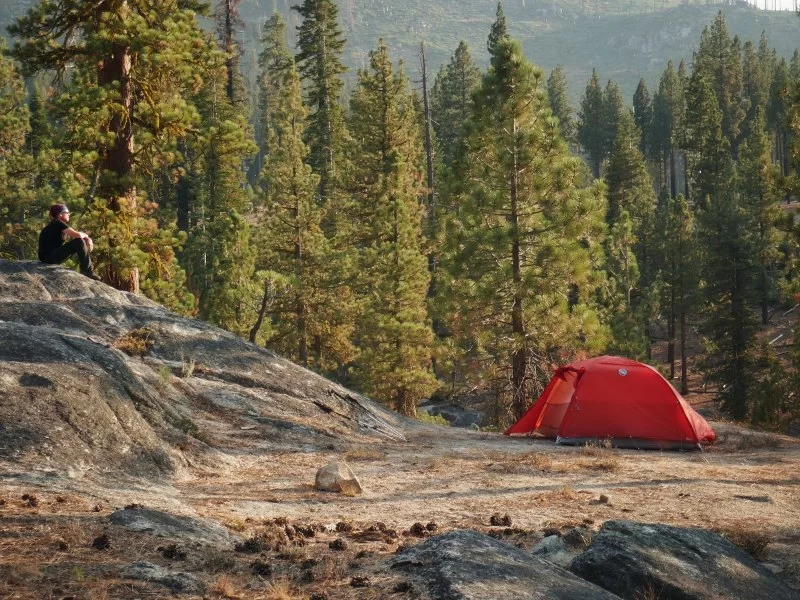
Tips for First-Time Campers Heading to National Parks
- -Preparing for Your First National Park Camping Trip
- -Choosing the Right Gear Without Overpacking
- -What Campsite Life Really Feels Like
- -Common Mistakes First-Time Campers Make
- -A Real First Camping Experience That Changed Everything
- -How to Truly Enjoy Your First National Park Adventure
1. Preparing for Your First National Park Camping Trip
The first time I planned a national park camping trip, I thought it would be simple: pack a tent, grab some snacks, and go. That assumption lasted exactly one day into the trip. What I quickly realized is that camping in national parks is not just about showing up—it’s about preparation that shapes your entire experience.
When people search for tips for first-time campers heading to national parks, what they really need is a mindset shift. National parks are beautiful, but they are also unpredictable. Weather can change quickly, wildlife is real, and basic amenities are often limited.
1. Start with research, not packing.
Before I packed anything, I wish I had spent more time understanding the park itself. Every national park has different rules, terrain, and weather patterns. Some require campsite reservations months in advance, while others operate on a first-come basis.
2. Understand park-specific regulations.
From fire restrictions to food storage rules, these guidelines are not optional. They exist to protect both visitors and the environment. Ignoring them can quickly turn a relaxing trip into a stressful one.
3. Check the weather beyond just the forecast.
In national parks, elevation and geography can create microclimates. A sunny forecast doesn’t mean your campsite won’t get cold at night. This is something I underestimated on my first trip—and I definitely paid for it.
2. Choosing the Right Gear Without Overpacking
One of the biggest mistakes I made as a beginner was overpacking. I brought far more than I needed, yet still missed a few essentials. Finding the right balance is key.
1. Focus on essentials first.
A reliable tent, a weather-appropriate sleeping bag, and a sleeping pad matter more than anything else. Comfort at night directly affects your entire trip.
2. Cooking gear should match your plan.
If you’re only staying for one or two nights, simple meals work best. I learned quickly that complicated cooking setups are rarely worth the effort for beginners.
3. Lighting is often underestimated.
Once the sun sets, national parks get very dark. A headlamp or lantern becomes essential, not optional. It’s one of those items that doesn’t seem important until you need it.
4. Keep it portable and organized.
Instead of packing everything “just in case,” I now pack with intention. It makes setting up camp easier and reduces stress when moving around.
If you’re unsure where to start, platforms like Refined Travel offer helpful recommendations on beginner-friendly gear that fits real camping needs rather than idealized checklists.
3. What Campsite Life Really Feels Like
No guide fully prepares you for your first night in a national park. The quiet is deeper, the air feels different, and every sound seems amplified. It’s both exciting and slightly intimidating.
1. Expect a slower rhythm.
Camping naturally forces you to slow down. Without constant notifications or city noise, time feels different. At first, this can feel unfamiliar, but it quickly becomes one of the best parts of the experience.
2. You’ll become more aware of your surroundings.
Simple things—like the direction of the wind or the sound of nearby animals—suddenly matter. This awareness is part of what makes camping feel immersive.
3. Comfort is something you create.
Unlike hotels, campsites don’t come ready-made. How comfortable you feel depends on how you set up your space. Even small details, like arranging your sleeping area properly, make a big difference.
4. Common Mistakes First-Time Campers Make
Looking back, my first trip was full of small mistakes that added unnecessary stress. Most beginners go through the same learning curve.
1. Arriving too late.
Setting up a tent in the dark is something I would never recommend. Arriving early gives you time to settle in and adjust.
2. Ignoring food storage rules.
In many national parks, improper food storage can attract wildlife. This isn’t just inconvenient—it can be dangerous. Learning to store food correctly is one of the most important tips for first-time campers heading to national parks.
3. Underestimating temperature drops.
Even in summer, nights can get surprisingly cold. Having extra layers or the right sleeping gear makes a huge difference.
4. Trying to do too much.
On my first trip, I packed every activity into one weekend—hiking, cooking elaborate meals, exploring multiple areas. By the end, I was exhausted instead of relaxed. Now, I focus on fewer experiences and enjoy them more deeply.
5. A Real First Camping Experience That Changed Everything
I still remember my first night camping in a national park. It was colder than expected, my tent setup wasn’t perfect, and every unfamiliar sound made it hard to sleep. At one point, I seriously considered packing up and leaving the next morning.
But something changed the next day. I woke up early, stepped outside, and saw the landscape in a way I had never experienced before—completely quiet, untouched, and incredibly still. That moment made all the discomfort worth it.
Later, I met another camper who had been doing this for years. They shared a simple piece of advice: “Your first trip isn’t about getting everything right—it’s about learning what matters.” That perspective stuck with me.
Since then, every trip has felt easier, more enjoyable, and more intentional.
6. How to Truly Enjoy Your First National Park Adventure
At its core, camping in national parks is not about perfection—it’s about experience. The best trips aren’t the ones where everything goes smoothly, but the ones where you feel connected to the environment around you.
1. Give yourself time to adjust.
The first few hours may feel unfamiliar, but that’s part of the process.
2. Stay flexible.
Weather changes, plans shift, and that’s okay. Adaptability is one of the most valuable skills in camping.
3. Focus on small moments.
Whether it’s a quiet sunrise, a simple meal, or a peaceful walk, these moments define the experience.
4. Learn as you go.
Every trip teaches you something new. Over time, those lessons build confidence and make future adventures even better.
If you’re preparing for your first trip, remember that the best tips for first-time campers heading to national parks aren’t just about gear or logistics—they’re about mindset. Start simple, stay curious, and let the experience unfold naturally.
And when you’re ready to plan your next adventure with more confidence, exploring resources like Refined Travel can help you refine your approach and discover even better ways to enjoy the outdoors.

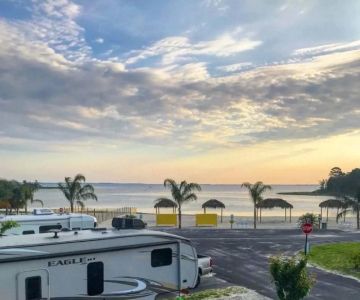

 Salt Fork State Park Campground4.0 (88 reviews)
 Brooklyn Trails4.0 (110 reviews)
 Swissaire Estates Mobile Home Park5.0 (1 reviews)
 Elk View Ranch5.0 (5 reviews)
 Reedsburg Dam State Forest Campground4.0 (156 reviews)
 Dunroamin trailer/camping park1.0 (1 reviews)
 Exclusive Travel Packages for First-Class Travelers: A Guide to Luxury Vacations
 Refined Travel Experiences in Southeast Asia: Explore Luxury & Unique Destinations
 How to Make the Most of Luxury Vacation Deals: Expert Tips for Savvy Travelers
 Refined Travel Itineraries for Art and Culture Lovers: Explore the World of Art and History
 How to Enjoy a Refined Travel Experience in the Mountains
 Most Luxurious Destinations for Honeymooners: Top Spots for Romance and Luxury