
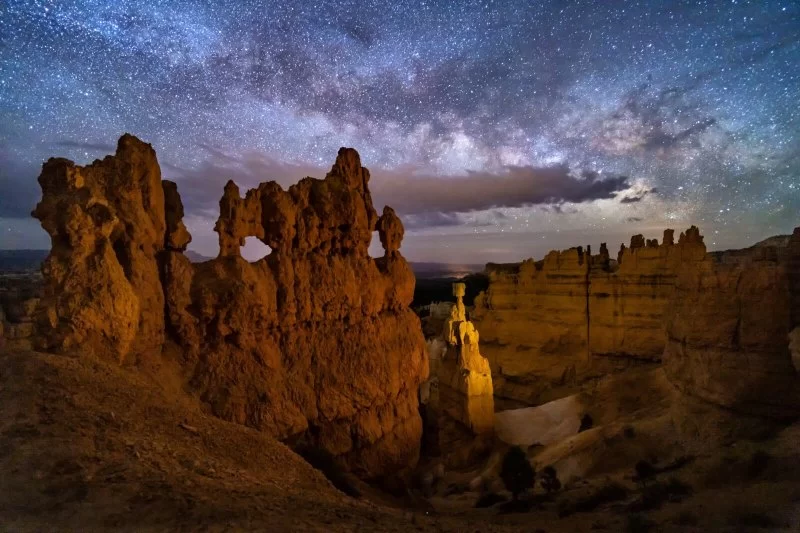
Best National Parks for Desert Stargazing
- Introduction to Desert Stargazing
- Why Desert Parks Are Ideal for Stargazing
- Top National Parks for Desert Stargazing
- Stargazing Tips for Your Desert Adventure
- How to Plan Your Desert Stargazing Trip
1. Introduction to Desert Stargazing
Stargazing in the desert offers some of the clearest and most breathtaking views of the night sky. The absence of light pollution, dry air, and clear skies make desert landscapes ideal for observing celestial wonders. National parks in the U.S. are often prime spots for stargazers, especially those looking to explore the vast beauty of desert landscapes at night. In this article, we will highlight the best national parks for desert stargazing and provide tips for making the most of your astronomical adventures.
2. Why Desert Parks Are Ideal for Stargazing
Desert environments are among the best places to stargaze for several reasons:
- Minimal Light Pollution: Deserts are often located far from cities, which means there is little to no artificial light that can obscure your view of the stars.
- Clear Skies: The dry air in deserts contributes to clear skies and minimal cloud cover, making stargazing even more rewarding.
- Wide Open Spaces: The vast, unbroken horizons of deserts offer unobstructed views of the night sky, allowing you to take in the full grandeur of the stars.
- Unique Night Skies: Desert areas often experience cooler temperatures at night, which can provide a more comfortable environment for stargazing and give you a chance to see constellations and celestial bodies more clearly.
3. Top National Parks for Desert Stargazing
Here are some of the best national parks across the U.S. for desert stargazing:
3.1 Joshua Tree National Park, California
Located in Southern California, Joshua Tree National Park is a premier destination for stargazers. The park is a designated Dark Sky Park, meaning its skies are protected from light pollution. With clear views of the Milky Way and the occasional meteor shower, Joshua Tree offers a stunning backdrop for night sky photography.
3.2 Arches National Park, Utah
Known for its iconic red rock formations, Arches National Park is also a fantastic location for stargazing. The park’s remote location in southeast Utah makes it an excellent place to catch a glimpse of planets, shooting stars, and deep-sky objects like galaxies and nebulae. The clear, dry air and vast landscapes enhance the stargazing experience.
3.3 Death Valley National Park, California/Nevada
As the hottest place on earth, Death Valley might seem like an unlikely place for stargazing, but it is actually one of the best spots for it. The park is a designated International Dark Sky Park, and its wide, flat terrain provides spectacular views of the Milky Way and other celestial phenomena. Death Valley’s remote location ensures that you won’t be bothered by artificial light, making it an excellent stargazing destination.
3.4 Saguaro National Park, Arizona
Famous for its towering saguaro cacti, Saguaro National Park in Arizona is another excellent desert destination for stargazing. The park’s low light pollution and clear skies allow visitors to see a wide variety of celestial objects, from planets to star clusters. The park also offers educational programs, including stargazing events and guided night hikes, making it a great spot for both beginners and experienced stargazers.
3.5 Big Bend National Park, Texas
Located in West Texas, Big Bend National Park offers some of the darkest skies in the country, making it one of the best places in the U.S. for stargazing. The park’s remote location and high elevation give you a front-row seat to observe the Milky Way, meteor showers, and other fascinating astronomical events. In fact, Big Bend is so dark that it has earned a Dark Sky designation, meaning its night skies are protected from artificial light pollution.
4. Stargazing Tips for Your Desert Adventure
To make the most of your desert stargazing experience, here are a few helpful tips:
- Bring a Telescope or Binoculars: While the naked eye can see a lot, using a telescope or binoculars will help you see even more distant stars and planets.
- Check the Weather and Moon Phases: Clear skies are essential for stargazing, so be sure to check the weather before you go. Also, consider visiting when the moon is less visible to get the best view of the stars.
- Dress Warmly: Even in the desert, temperatures can drop significantly at night, so bring layers to stay warm while you enjoy the night sky.
- Stay Safe: If you’re exploring remote areas, be sure to bring a flashlight, plenty of water, and let someone know where you’ll be.
5. How to Plan Your Desert Stargazing Trip
Planning a successful desert stargazing trip involves more than just showing up at the park. Here’s how to prepare:
- Choose the Right Time: Aim to visit during the fall, winter, or spring for the best stargazing conditions. Summer nights can be too hot, and the desert landscape can be more dangerous.
- Research Local Regulations: Some national parks require permits or have designated stargazing areas, so be sure to check with the park beforehand.
- Join a Stargazing Event: Many parks host special stargazing events, such as ranger-led tours or astronomy programs. These can be a great way to learn more about the night sky.
For the best desert stargazing experience, visit Refined Travel for curated trips and the best stargazing gear.


 Dullen Loop Campsite4.0 (1 reviews)
 Tuskegee NF Tent Site #64.0 (2 reviews)
 Pecan Ridge Mobile Home Park2.0 (16 reviews)
 Stony Creek Family Campground4.0 (32 reviews)
 Wichita Bend RV Park4.0 (138 reviews)
 Rocky Fork State Park Campground4.0 (10 reviews)
 Exclusive Travel Packages for First-Class Travelers: A Guide to Luxury Vacations
 Refined Travel Experiences in Southeast Asia: Explore Luxury & Unique Destinations
 How to Make the Most of Luxury Vacation Deals: Expert Tips for Savvy Travelers
 Refined Travel Itineraries for Art and Culture Lovers: Explore the World of Art and History
 How to Enjoy a Refined Travel Experience in the Mountains
 Most Luxurious Destinations for Honeymooners: Top Spots for Romance and Luxury