
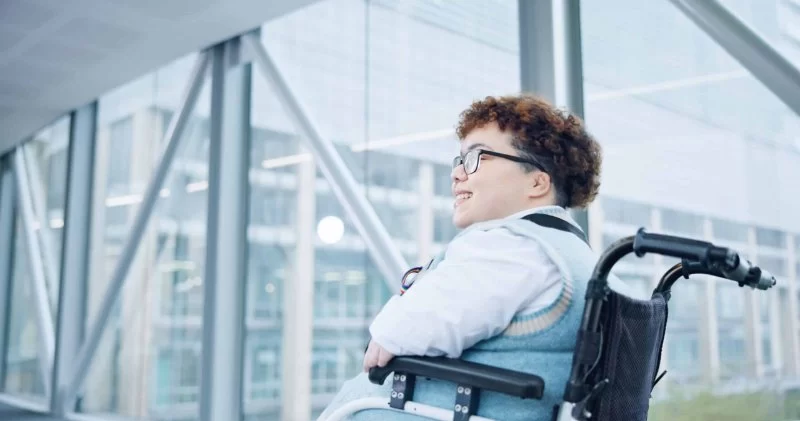
1 - Accessibility big picture
If you’ve wondered how to travel the US with a physical disability without constant friction, start by knowing your power: many public spaces, transport systems, and attractions offer step-free routes, accessible restrooms, and priority services. The key is precision. Clear requests, verified details, and a route designed around energy, comfort, and joy turn a complicated trip into a confident one.
1.1 What “accessible” really means in practice
“Accessible” is not one-size-fits-all. For some travelers it’s roll-in showers and lowered beds; for others, it’s guaranteed aisle chairs, transfer boards, pool lifts, or curb-height vehicle access. Translating needs into concrete specifications—door widths, elevator access, ramp gradients, seat types—makes vendors respond with clarity.
1.1.1 A mindset shift
Instead of asking if a venue is accessible, ask how it is accessible. You’ll collect actionable facts that map neatly to your requirements.
2 - Build an accessible itinerary
A polished plan for how to travel the US with a physical disability starts with time blocks, not just pins on a map. Limit same-day venue changes, cluster attractions by neighborhood, and schedule restorative breaks after high-effort moments like flights or museum marathons.
2.1 Choosing destinations that reward access
Major hubs—New York, Washington DC, Chicago, San Francisco—pair reliable accessible transit with world-class museums offering step-free entries and loaner wheelchairs. Coastal drives and national parks add open-air variety if you thread in accessible boardwalks and viewpoints.
2.1.1 Timing and crowd strategy
Visit marquee sites early or late. Fewer people means easier navigation, less queuing for elevators, and more time to savor the place rather than the process.
3 - Flying like a pro
Air travel is manageable with choreography. When booking, add mobility details to the reservation and request aisle chair service or pre-boarding assistance. On the day, confirm gate-check tags for wheelchairs or scooters and carry a printed one-pager listing battery type, handling instructions, and contact details for repairs.
3.1 Protecting mobility devices
Use rigid protectors for joystick and controls, remove detachable cushions, and photograph your device pre-gate for condition documentation. Pack a small kit—zip ties, duct tape, allen keys—for quick fixes on arrival.
3.1.1 Seat selection and transfers
Bulkhead or aisle seats can simplify transfers. If transfers are challenging, request an on-board aisle chair and discuss preferred techniques with crew before departure.
4 - Staying in style
Accessibility and atmosphere can coexist. Upscale US hotels increasingly offer roll-in wet rooms, visual alarms, vibrating pillows for alerts, and lowered wardrobes. Ask for floor plans or photos of the exact room type to avoid surprises.
4.1 Room features that actually matter
Look for shower benches, grab bars placed both horizontal and vertical, handheld wands, space beside the bed for lifts, and clearance under sinks. If height matters for transfers, request measurements in inches.
4.1.1 Service that elevates comfort
A pre-arrival note—bed height adjustments, fridge for meds, or a lightweight chair on the balcony—turns a stay from acceptable to exceptional.
5 - Getting around on the ground
Within cities, modern buses and many metro systems offer ramps or level boarding. For door-to-door ease, arrange wheelchair-accessible vehicles (WAVs) or sedans with drivers trained in safe transfers. Intercity travel by train can be comfortable with platform assistance and accessible restrooms—book this support in advance.
5.1 Day-tour tactics
Choose guides who know step-free entrances, elevator locations, and quiet rest points. Ask for routes that minimize cross-street camber and broken sidewalks after rain.
5.1.1 Service animals and vehicles
If you travel with a service animal, carry documentation of tasks performed and plan hydration and relief breaks into the route; drivers appreciate the heads-up and you’ll feel unrushed.
6 - Parks, museums, and city highlights
US national parks now feature accessible boardwalks, viewpoints, and visitor centers. Coastal promenades and riverwalks offer long, level surfaces; museums provide elevators, loaner chairs, and often sensory-friendly hours. Call the day before to confirm which entrances are step-free (some historic buildings still hide their ramps at side doors).
6.1 Example experiences that work beautifully
In San Diego, a traveler using a power chair glides the beachfront path from Pacific Beach to Mission Bay at sunset, then rolls into an accessible patio for dinner. In Washington DC, Smithsonian galleries connect via elevators with clear signage, making a full afternoon realistic without energy drain.
6.1.1 Seasonal tweaks
Summer heat amplifies effort; schedule indoor breaks every 90 minutes. Winter trips benefit from rubberized tires or covers to grip wet curb cuts.
7 - Gear, packing, and tech
Lightweight ramps, transfer boards, portable suction grab bars, and compact cushions can transform access. Apps for step-free mapping, live transit info, and voice-over navigation reduce guesswork.
7.1 The personal checklist
Back up charging cables, bring a multi-voltage charger for mobility devices, and label components. Store critical meds and tools in a small daypack that stays with you at all times.
7.1.1 Battery and charger notes
For powered chairs or scooters, carry the battery spec sheet and a simple handling card. Clarity speeds gate checks and protects your gear.
8 - Budgeting, safety, and peace of mind
Budget for private drivers on key days, accessible room categories, and flexible tours that can be shortened without penalty. Travel insurance with device coverage reduces stress; a modest contingency fund covers unexpected equipment fixes.
8.1 Energy economy
Build “white space” into every day. Protect mornings after travel days and schedule marquee experiences when you feel strongest.
8.1.1 Communication that prevents problems
Share a brief access profile with each supplier—transfer method, device dimensions, elevator preferences—so everyone understands the plan long before you arrive.
9 - 10-day sample route case study
A traveler from Toronto asked us how to travel the US with a physical disability while seeing coast, culture, and nature in one swoop. We designed a 10-day route: San Francisco (urban views and step-free waterfront), Yosemite gateway (accessible valley viewpoints), and Washington DC (museums and monuments).
9.1 How the days flowed
Days 1–3: Bayfront roll along the Embarcadero, private driver to hilltop vistas timed for sunset, accessible suite with roll-in shower. Days 4–6: scenic transfer to the Sierra foothills, boardwalk views of granite walls, picnic at a level meadow. Days 7–10: elevator-linked museums, after-hours monument circuit with curb-level drop-offs and lightweight ramps.
9.1.1 The traveler’s takeaway
“Nothing felt improvised. Doors opened when we arrived, and my chair came off the plane in perfect shape.” That’s what good planning delivers.
10 - Work with Refined Travel
To truly master how to travel the US with a physical disability, partner with specialists who speak the language of access. Refined Travel curates step-free routes, pre-verifies hotel room specs, coordinates aisle chair assistance and accessible vehicles, and pairs you with guides who know the quiet entrances and best elevator banks. Want tailored options, real-time availability, or help securing accessible rooms during peak season? Contact Refined Travel to shape a journey that matches your pace, preferences, and equipment.
10.1 Ready for your own itinerary?
Tell us the experiences you’re excited about—skyline sunsets, museum deep dives, or accessible boardwalks by the ocean—and we’ll translate that vision into confirmed rooms, drivers, and timed entries. Your next chapter is waiting; we’ll make the logistics invisible so the memories take center stage.




 Lee's RV Park3.0 (32 reviews)
 Gallia County Junior Fairgrounds Campground4.0 (19 reviews)
 Silver Towers4.0 (20 reviews)
 Life Action Camp4.0 (168 reviews)
 Blue Sky Homes LLC4.0 (30 reviews)
 Owego Heights Mobile Home Community3.0 (51 reviews)
 Exclusive Travel Packages for First-Class Travelers: A Guide to Luxury Vacations
 Refined Travel Experiences in Southeast Asia: Explore Luxury & Unique Destinations
 How to Make the Most of Luxury Vacation Deals: Expert Tips for Savvy Travelers
 Refined Travel Itineraries for Art and Culture Lovers: Explore the World of Art and History
 How to Enjoy a Refined Travel Experience in the Mountains
 Most Luxurious Destinations for Honeymooners: Top Spots for Romance and Luxury