
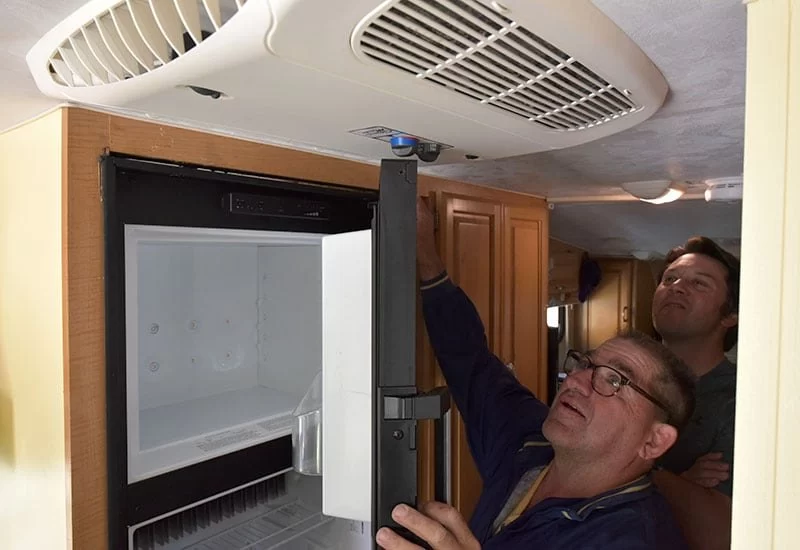
- Guide-to-RV-Ventilation-for-Comfortable-Sleep
- Why-Ventilation-Matters-in-RVs
- Natural-Airflow-Strategies
- Mechanical-Ventilation-Solutions
- Creating-the-Ideal-Sleeping-Environment
Guide to RV Ventilation for Comfortable Sleep
Sleeping well in an RV depends on more than just a comfortable mattress. Air circulation plays a critical role in temperature control, moisture reduction, and overall comfort. A reliable guide to RV ventilation for comfortable sleep helps travelers avoid stuffy air, condensation problems, and restless nights.
Many RV travelers discover ventilation challenges during their first overnight trip. Even mild weather can leave an RV interior feeling warm and humid by morning. Without proper airflow, the confined space traps body heat and moisture, creating an uncomfortable environment.
I remember one early RV trip when I assumed slightly open windows would provide enough airflow. By midnight the air felt heavy and warm, and condensation formed on the windows. After improving the ventilation setup on later trips, the difference in sleep quality was dramatic.
Understanding airflow techniques and equipment options makes RV travel far more enjoyable, especially during warm seasons.
Why Ventilation Matters in RVs
Proper ventilation improves both comfort and health during overnight stays.
1. Temperature Regulation
1.1 Preventing Heat Buildup
RVs absorb heat during the day and release it slowly at night. Without ventilation, this stored heat raises interior temperatures and makes sleeping difficult.
Moving air removes excess heat and stabilizes temperatures.
1.2 Cooling Without Heavy Energy Use
Air conditioning is effective but consumes significant power.
Ventilation reduces the need for constant air conditioning by allowing cooler nighttime air to circulate.
2. Moisture Control
2.1 Nighttime Condensation
Breathing during sleep releases moisture into the air. In small RV spaces, humidity levels rise quickly.
This often leads to condensation on windows and walls.
2.2 Mold Prevention
Long-term moisture buildup can cause mold and odors.
Consistent airflow helps maintain a dry interior.
Natural Airflow Strategies
Simple airflow techniques often provide effective ventilation without requiring additional equipment.
1. Window Positioning
1.1 Cross Ventilation
Opening windows on opposite sides of the RV creates cross ventilation.
This allows fresh air to enter while warm air exits.
Effective cross ventilation includes:
1. Opening one window near the bed
2. Opening another near the kitchen area
3. Adjusting window height
4. Monitoring airflow direction
This method creates continuous circulation.
1.2 Using Partial Openings
Windows do not need to be fully open to improve airflow.
Small openings often maintain airflow while improving security and weather protection.
2. Roof Vent Techniques
2.1 Allowing Warm Air to Escape
Warm air naturally rises. Opening roof vents allows trapped heat to escape efficiently.
This reduces interior temperature quickly after sunset.
2.2 Rain-Protected Vent Covers
Vent covers allow airflow even during rain.
This ensures continuous ventilation regardless of weather.
Mechanical Ventilation Solutions
Mechanical ventilation improves airflow when natural circulation is not enough.
1. RV Ventilation Fans
1.1 Roof-Mounted Fans
Roof-mounted fans actively pull air through the RV.
They provide consistent airflow even on calm nights.
Advantages include:
1. Adjustable speeds
2. Quiet operation
3. Continuous airflow
4. Energy efficiency
1.2 Directional Airflow
Some fans allow intake or exhaust settings.
This flexibility improves comfort depending on outdoor conditions.
2. Portable Fans
2.1 Bedside Air Circulation
Small fans near the bed improve airflow directly around sleepers.
This often provides immediate comfort.
2.2 Even Temperature Distribution
Portable fans help distribute cooled air evenly throughout the RV.
This prevents hot spots.
Creating the Ideal Sleeping Environment
Ventilation works best when combined with thoughtful preparation.
1. Evening Cooling Routine
1.1 Releasing Stored Heat
Opening vents and windows early in the evening helps remove heat accumulated during the day.
This allows temperatures to stabilize before bedtime.
1.2 Monitoring Outdoor Conditions
Outdoor temperature drops significantly after sunset.
Timing ventilation to match these changes improves cooling efficiency.
2. Strategic Campsite Selection
2.1 Parking Orientation
Parking in shaded areas reduces heat buildup.
Avoiding direct afternoon sun helps maintain cooler interiors.
2.2 Airflow-Friendly Locations
Sites with natural breezes improve ventilation.
Open areas often allow better airflow than tightly packed campgrounds.
Travelers who want detailed destination advice and RV comfort strategies often explore Refined Travel for guidance on choosing RV locations that support better airflow and restful sleep.
A reliable guide to RV ventilation for comfortable sleep helps travelers enjoy quieter nights, better rest, and healthier living conditions on the road. With proper airflow planning, even warm-weather trips can remain comfortable and relaxing.





 Saginaw Bay Estates3.0 (198 reviews)
 Stout RV Parks Inc3.0 (50 reviews)
 Dan's Mobile Home Park Inc4.0 (16 reviews)
 Trailhead4.0 (3 reviews)
 Palm Beach Colony3.0 (116 reviews)
 Spacious Skies Campgrounds - Minute Man4.0 (900 reviews)
 Exclusive Travel Packages for First-Class Travelers: A Guide to Luxury Vacations
 Refined Travel Experiences in Southeast Asia: Explore Luxury & Unique Destinations
 How to Make the Most of Luxury Vacation Deals: Expert Tips for Savvy Travelers
 Refined Travel Itineraries for Art and Culture Lovers: Explore the World of Art and History
 How to Enjoy a Refined Travel Experience in the Mountains
 Most Luxurious Destinations for Honeymooners: Top Spots for Romance and Luxury