

Guide to RV Insurance: What Travelers Should Know – Protect Your Adventure
Traveling by RV is one of the most exciting and flexible ways to explore new destinations. Whether you’re planning a short road trip or embarking on a cross-country adventure, it’s crucial to ensure that your RV is properly insured. RV insurance provides peace of mind, protecting you, your vehicle, and your belongings while you're on the road. In this guide, we’ll dive into the world of RV insurance, explain the different types of coverage available, and offer tips on how to choose the right policy for your travel needs.
- The Importance of RV Insurance
- Types of RV Insurance
- How to Choose the Right RV Insurance
- Common Mistakes to Avoid in RV Insurance
The Importance of RV Insurance
Before hitting the road, one of the most important considerations for RV owners and travelers is ensuring that they are properly covered by insurance. While RVs provide comfort and convenience, they also come with risks. Accidents, theft, natural disasters, and breakdowns can happen unexpectedly. RV insurance ensures that you are financially protected from these potential risks, which can save you from significant out-of-pocket expenses.
1. Protection from Accidents and Damages
RVs are large and complex vehicles that require proper care and maintenance. Whether you're involved in an accident or your RV suffers damage due to weather conditions, having insurance can help cover repair costs. Insurance also protects against the potential damage your RV may cause to other vehicles or property in the event of an accident.
2. Peace of Mind for Long-Term Travelers
If you're planning to live full-time in your RV or travel for extended periods, having the right insurance policy is crucial. RV insurance provides peace of mind, knowing that if something goes wrong while you're far from home, you're covered. This is especially important for those who spend months on the road in different states or countries, as laws and requirements may vary.
3. Coverage for Personal Belongings
In addition to covering the vehicle itself, many RV insurance policies also offer coverage for your personal belongings inside the RV. Whether it’s your camping gear, electronics, or valuable items, insurance can help protect your personal property if it’s stolen or damaged during travel.
Types of RV Insurance
There are several different types of RV insurance policies available, each offering varying levels of protection. Understanding these types can help you choose the best coverage for your needs:
1. Liability Insurance
Liability insurance is the minimum level of coverage required by law in most states. It covers damages you may cause to another person or their property in the event of an accident. Liability insurance does not cover damages to your own RV or belongings.
2. Collision Insurance
Collision insurance provides coverage for damages to your RV if you are involved in a collision, whether with another vehicle or an object. It can help pay for repairs to your RV, regardless of who is at fault in the accident.
3. Comprehensive Insurance
Comprehensive insurance covers non-collision-related damages, such as theft, vandalism, natural disasters, or hitting an animal. This is a more extensive policy that helps protect your RV from a wide range of risks outside of accidents.
4. Personal Injury Protection
Personal injury protection (PIP) covers medical expenses for you and your passengers if you're injured in an accident. PIP can also cover lost wages or other costs associated with an injury. Some policies may also offer coverage for passengers who are not family members.
5. Roadside Assistance
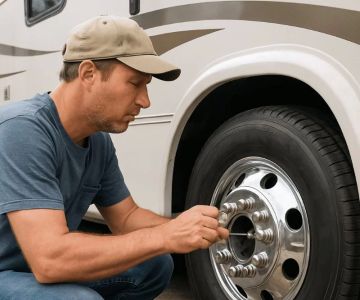
Roadside assistance coverage provides support in case your RV breaks down on the road. It includes services like towing, fuel delivery, flat tire changes, and lock-out assistance. For long-distance travelers, this is an essential coverage option that can save you from stressful situations.
How to Choose the Right RV Insurance
Choosing the right RV insurance involves considering various factors based on your travel style, RV type, and coverage needs. Here are some tips to help guide your decision:
1. Assess Your Coverage Needs
Determine what level of coverage you need based on how often and where you plan to use your RV. If you’re a full-time RV traveler, you might need more comprehensive coverage. Consider whether you need collision and comprehensive insurance, or if liability insurance alone is sufficient.
2. Compare Quotes from Different Insurers
Insurance premiums can vary widely depending on the provider, the coverage level, and your RV’s specifications. It’s essential to compare quotes from different insurers to find the best deal. Many providers offer discounts for bundling multiple policies, such as combining RV insurance with auto or home insurance.
3. Consider Additional Coverage Options
In addition to the standard coverage options, you might want to explore additional policies like full-timer’s coverage or vacation liability. These policies provide specialized coverage for long-term RV living and protection while staying at campgrounds or RV parks.
Common Mistakes to Avoid in RV Insurance
When shopping for RV insurance, it’s essential to avoid some common mistakes that could leave you underinsured or paying too much. Here are some things to keep in mind:
1. Not Fully Understanding Your Coverage
It’s important to understand exactly what’s covered under your policy and what’s not. Some policies may have exclusions or limitations that could leave you vulnerable in certain situations. Always read the fine print and ask questions if something is unclear.
2. Failing to Update Your Policy
If you make significant changes to your RV, such as renovations or upgrades, make sure to update your insurance policy to reflect these changes. Failure to do so may result in gaps in coverage, leaving you unprotected in case of an incident.
3. Choosing the Cheapest Policy
While it’s tempting to go for the cheapest option, it’s crucial to balance cost with coverage. A policy that seems affordable may not provide the level of protection you need. Always prioritize comprehensive coverage over the lowest price to ensure your RV and your investment are fully protected.
Traveling in an RV can be an incredible experience, but it’s essential to ensure that you’re properly insured before hitting the road. By understanding the different types of coverage, assessing your needs, and making informed decisions, you can enjoy your RV adventures with peace of mind. For those looking to find the best RV insurance options, check out Refined Travel for expert advice and recommendations on policies that best suit your needs.



 Morning View RV Park4.0 (18 reviews)
 Cedar Campground5.0 (2 reviews)
 Sacagewa Campsite4.0 (3 reviews)
 DeGray Lake State Park Campgrounds4.0 (53 reviews)
 Arden Manor3.0 (62 reviews)
 Rockbrook Village3.0 (6 reviews)
 Exclusive Travel Packages for First-Class Travelers: A Guide to Luxury Vacations
 Refined Travel Experiences in Southeast Asia: Explore Luxury & Unique Destinations
 How to Make the Most of Luxury Vacation Deals: Expert Tips for Savvy Travelers
 Refined Travel Itineraries for Art and Culture Lovers: Explore the World of Art and History
 How to Enjoy a Refined Travel Experience in the Mountains
 Most Luxurious Destinations for Honeymooners: Top Spots for Romance and Luxury