
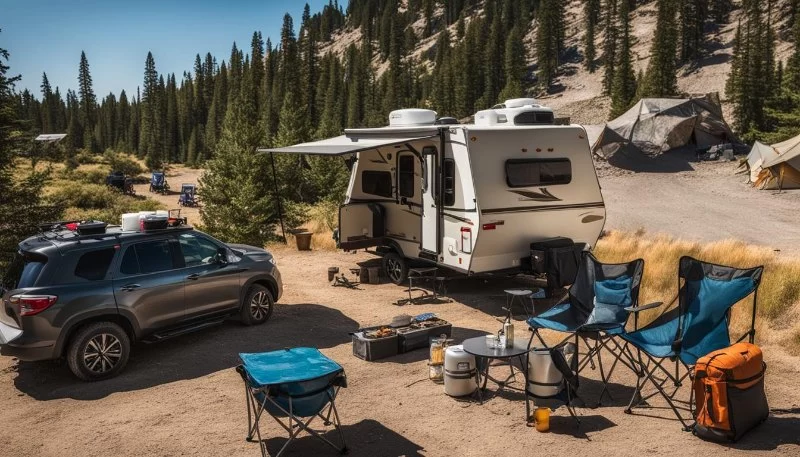
- Understanding Boondocking and Its Appeal
- Planning Your Boondocking Trip
- Essential Gear for a Successful Boondocking Experience
- Finding Ideal Boondocking Locations
- Staying Safe and Comfortable While Boondocking
Understanding Boondocking and Its Appeal
When I first heard about boondocking, I was curious but uncertain about what it truly entailed. As someone who has always loved the outdoors, I quickly learned that boondocking is the practice of camping off-grid in your RV, often in remote locations without hook-ups for water, electricity, or sewage. It’s essentially camping in its purest form, but with the comfort and freedom that an RV provides.
The appeal of boondocking is its simplicity and the sense of independence it offers. You can explore nature without the constraints of RV parks or campgrounds, allowing you to find peaceful, secluded spots. I recall my first boondocking experience—settling in a quiet, picturesque area near a lake, far from the hustle and bustle of city life. The sense of serenity and self-sufficiency made it one of the most memorable trips of my life.
Boondocking allows RVers to experience nature up close, offering an escape from the typical campground crowds. But it does come with its own set of challenges, from sourcing water to managing waste and ensuring you have enough power. In this article, I’ll share my experiences and some tips that can help make your boondocking adventures just as successful and enjoyable as mine.
Planning Your Boondocking Trip
Planning is key when it comes to boondocking. Since you’ll be venturing off the beaten path, it’s important to be well-prepared before you go. I’ve learned that having a detailed plan not only ensures that your boondocking trip is safe but also maximizes your comfort and enjoyment while off-grid.
1. Research Boondocking Locations
The first step in planning is finding the right locations. Thankfully, there are plenty of resources to help with this. Websites like FreeCampsites.net and Campendium provide user-generated reviews and locations where boondocking is allowed. Many national forests, Bureau of Land Management (BLM) lands, and state parks offer free or low-cost camping options for RVers. Before heading out, I always make sure I have a few backup spots in case the first one doesn’t work out or is too crowded.
2. Check for Local Regulations
Different areas have varying regulations about where you can park your RV and for how long. In some places, you may be allowed to stay for a week or more, while in others, you might be limited to a single night. During my travels, I always check the rules for the specific region I plan to visit to avoid fines or unnecessary hassle. Local government websites or apps like Campendium are great for confirming restrictions.
3. Consider Accessibility
Not all boondocking spots are easily accessible. Some may require a rugged 4x4 to reach, which can be a concern if you're traveling with a larger RV or if you’re not comfortable with off-roading. I’ve had experiences where a beautiful location was difficult to reach, but that adventure was worth it. Make sure you assess the road conditions and whether your RV can handle the terrain. In case you’re unsure, I recommend looking at Google Earth or using apps like iOverlander to get an idea of what you might be dealing with.
Essential Gear for a Successful Boondocking Experience
Boondocking requires a few pieces of essential gear that I’ve learned are absolutely necessary to make the experience enjoyable and safe. While some RVers make it work without all of these tools, I recommend having these items on hand, especially if you’re new to boondocking.
1. Solar Panels for Power
Having a reliable source of power is one of the most critical aspects of boondocking. I rely heavily on solar panels to keep my RV's batteries charged when I'm off the grid. A well-sized solar setup can provide enough energy to power lights, small appliances, and even charge devices. Over the years, I’ve added a few more solar panels and a bigger battery bank to ensure I don’t run out of power, especially on long stays. It's worth the investment!
2. Portable Water Pump
Access to clean water can be tricky while boondocking. Many spots lack water hookups, so having a portable water pump is a game-changer. I keep a large freshwater tank in my RV and a backup pump that connects to nearby water sources. It’s important to have a good filtration system as well to ensure your water is safe to drink and use. The first time I forgot to bring my pump, I ended up using a small hand pump to fill up a few jugs—a real hassle! Now, I never forget that essential piece of gear.
3. Waste Disposal System
While boondocking, you must plan for waste disposal. Some campsites have waste disposal sites, but many do not. I always make sure my RV’s black and gray water tanks are empty before heading out. For longer stays, I carry portable waste bags or a composting toilet. Trust me, you'll want to have a reliable system for handling waste—there’s nothing worse than having to search for a place to dispose of waste when you're deep in nature.
Finding Ideal Boondocking Locations
Finding the perfect boondocking spot is one of the most rewarding aspects of RV travel. For me, it’s about being away from crowds and immersing myself in nature. Ideal boondocking spots are typically located in remote areas, like national forests or BLM lands, where you can enjoy the peace and quiet of the great outdoors. A few websites and apps that I swear by include:
1. FreeCampsites.net
FreeCampsites.net is one of my go-to resources for locating boondocking sites across the country. It allows users to filter by type of camping and also includes user reviews, which helps me assess if the spot is a good fit for my RV and needs.
2. iOverlander
Another helpful app I use while traveling is iOverlander. It’s an excellent tool for finding free camping spots, as well as other useful services like water refills and dump stations. I’ve discovered some hidden gems using iOverlander, and it’s always updated by fellow travelers, so it feels like a reliable community-driven resource.
3. Local Knowledge
Don’t underestimate the power of local knowledge. I’ve met fellow RVers and locals who have given me the best tips about secret, off-the-beaten-path locations. Sometimes the best boondocking spots are not listed on popular websites but are shared through word of mouth or local RV groups.
Staying Safe and Comfortable While Boondocking
While boondocking can be a beautiful, peaceful experience, it's also essential to stay safe and comfortable. Over time, I've picked up several strategies for making my off-grid experiences as safe and enjoyable as possible.
1. Be Aware of Wildlife
Wildlife can be both a joy and a concern when boondocking. On one of my trips, I woke up to a bear sniffing around my RV, and while it was exhilarating, I also realized I needed to be more careful. I make sure to keep food sealed, store trash properly, and set up my camp away from known wildlife paths. If you're traveling in bear country, I recommend bringing bear spray or other deterrents just to be on the safe side.
2. Stay Weather-Ready
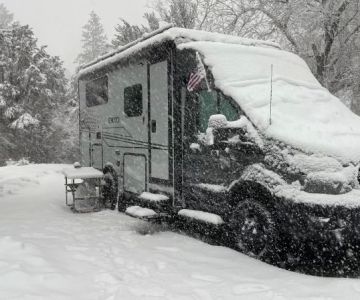
Weather can be unpredictable, especially when you’re boondocking in remote areas. I’ve learned to always check the weather forecast before heading out and be prepared for sudden changes. Having a weather radio, extra warm clothing, and an emergency preparedness kit is vital for ensuring your safety in case of a storm or extreme temperatures.
For more tips on RV travel and boondocking, visit Refined Travel to discover the best products and services tailored to your adventure needs. Happy travels!

 Campground5.0 (1 reviews)
 Fox Den Acres Campgrounds4.0 (361 reviews)
 HB Lost Bay West K18 Houseboat (Rock Landing) Campsite5.0 (1 reviews)
 Sunset Valley Estates4.0 (3 reviews)
 Noble Homestead & Camps0.0 (0 reviews)
 Abrams Creek Retreat & Campground3.0 (73 reviews)
 Exclusive Travel Packages for First-Class Travelers: A Guide to Luxury Vacations
 Refined Travel Experiences in Southeast Asia: Explore Luxury & Unique Destinations
 How to Make the Most of Luxury Vacation Deals: Expert Tips for Savvy Travelers
 Refined Travel Itineraries for Art and Culture Lovers: Explore the World of Art and History
 How to Enjoy a Refined Travel Experience in the Mountains
 Most Luxurious Destinations for Honeymooners: Top Spots for Romance and Luxury