
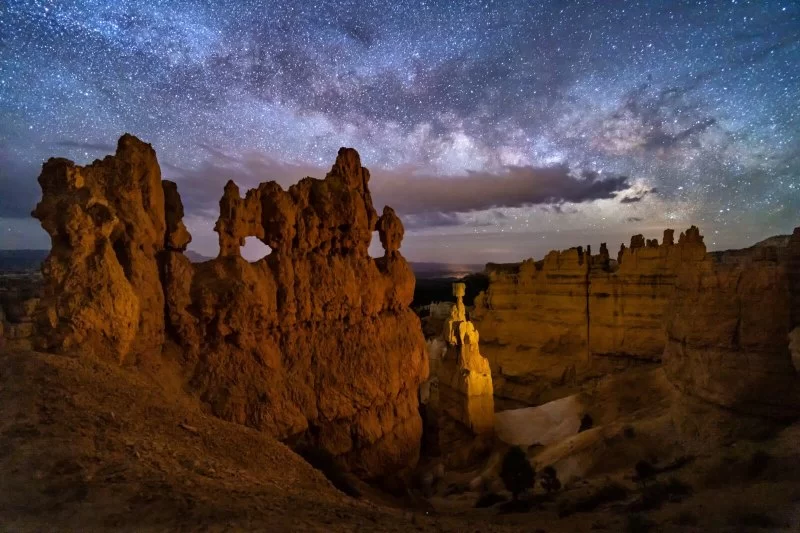
Best National Parks for Stargazing and Night Photography
There’s something truly magical about the night sky, and for those passionate about stargazing or night photography, the national parks of the United States offer some of the best places to enjoy the cosmos. From sweeping desert landscapes to lush forests, these parks provide unparalleled opportunities for observing stars, planets, and galaxies. In this guide, we’ll explore some of the best national parks for stargazing and night photography, offering tips to help you make the most of your celestial adventures.
Why Stargazing in National Parks?
National parks are among the best places to experience the night sky in all its glory. Many of these parks are located far from city lights, providing dark skies ideal for stargazing. Additionally, the natural landscapes in these parks add an extra layer of beauty to your night photography, creating stunning backdrops for your shots. In this section, we'll delve into the benefits of stargazing in national parks, including their remoteness and the absence of light pollution.
Dark Sky Parks
Many national parks have been designated as Dark Sky Parks by the International Dark-Sky Association (IDA). These parks go above and beyond to preserve their dark skies, minimizing artificial light and providing optimal conditions for stargazing. They are equipped with visitor programs, stargazing events, and nighttime ranger-led tours to enhance your experience.
Top National Parks for Stargazing and Night Photography
Now let’s look at some of the best national parks in the U.S. for stargazing and night photography. Whether you’re an experienced photographer or a beginner stargazer, these parks offer something for everyone.
1. Grand Canyon National Park
The Grand Canyon is one of the most iconic national parks in the United States, and it also offers some of the best stargazing opportunities. The park is a designated Dark Sky Park, meaning the night skies here are especially dark, providing perfect conditions for observing stars. The vast, rugged landscape of the canyon creates a dramatic foreground for your night photography.
For photographers, the interplay of the canyon’s rock formations and the starry sky can create breathtaking shots. During new moon phases, the Milky Way is particularly visible, offering a stunning display. If you’re planning to visit, make sure to check out the Grand Canyon Star Party, which is an annual event where astronomers and stargazers come together to share the beauty of the night sky.
2. Joshua Tree National Park
Located in Southern California, Joshua Tree National Park is another fantastic destination for stargazing and night photography. The park’s unique desert landscape, with its iconic Joshua trees and vast open spaces, provides an incredible setting for capturing the stars. Joshua Tree is a designated Dark Sky Park and is renowned for its clear skies, making it a perfect location for astrophotography.
On clear nights, you can expect to see the Milky Way in all its glory. The park also hosts the annual “Starry Nights” event, where visitors can attend stargazing programs led by park rangers and amateur astronomers.
3. Great Smoky Mountains National Park
While the Great Smoky Mountains are famous for their mist-covered peaks and diverse wildlife, they also offer exceptional stargazing opportunities. The park is located far from major urban centers, making it an ideal place to observe the night sky. With its dense forests and high elevations, you can capture stunning night shots of the stars framed by the park’s majestic mountains.
For photographers, the park offers a unique opportunity to capture the beauty of both the stars and the surrounding landscape. The clear skies here are perfect for capturing long-exposure shots of the night sky, especially during the summer months when the Milky Way is visible.
4. Acadia National Park
Located on the coast of Maine, Acadia National Park offers a beautiful blend of ocean views and dark skies, making it a fantastic spot for stargazing and night photography. Acadia’s remote location means it’s free from light pollution, and the park’s unique coastal landscape provides a stunning foreground for capturing the stars.
The park’s Cadillac Mountain is one of the best places in the Eastern United States to observe the stars, as it’s one of the first places to see the sunrise in the U.S. During the night, the stars fill the sky, and you can easily capture shots of both the Milky Way and the Atlantic Ocean.
5. Rocky Mountain National Park
With its high elevation and expansive views, Rocky Mountain National Park in Colorado is a paradise for stargazers and night photographers alike. The park’s remote location in the mountains means it experiences very little light pollution, and the high altitude offers excellent viewing conditions. Whether you’re capturing the Milky Way over snow-capped peaks or photographing the night sky above alpine lakes, Rocky Mountain National Park provides countless opportunities for breathtaking astrophotography.
The park also hosts the annual “Star Night” event, where visitors can join rangers for guided stargazing sessions and learn about the wonders of the night sky.
Stargazing Tips and Photography Techniques
Whether you’re a seasoned photographer or a beginner, these tips can help you make the most of your stargazing and night photography experience:
1. Prepare for Darkness
When you’re out in the wild, it’s crucial to let your eyes adjust to the dark. It can take up to 20 minutes for your eyes to fully adapt, so avoid using bright lights or checking your phone frequently. A red flashlight is a great tool to preserve your night vision.
2. Use a Tripod
For night photography, a tripod is essential. Long-exposure shots require stability, and a tripod will ensure your camera doesn’t shake while capturing the stars. Set your camera to a slow shutter speed and use a remote shutter release to avoid any movement when pressing the shutter button.
3. Choose the Right Lens
When photographing the night sky, use a wide-angle lens with a fast aperture (f/2.8 or lower). This will allow you to capture more of the sky and more light, which is essential for astrophotography.
Conclusion
The best national parks for stargazing and night photography offer a combination of dark skies, stunning landscapes, and a chance to connect with the cosmos in a way that few other places can provide. Whether you’re an experienced astrophotographer or simply someone who wants to experience the beauty of the night sky, these parks are some of the best spots in the U.S. to explore the stars. Plan your trip, pack your camera, and prepare for an unforgettable experience under the stars.


 Hoofers RV Park4.0 (58 reviews)
 Logan Valley RV Park4.0 (18 reviews)
 Fort Danby0.0 (0 reviews)
 Town and Country RV Park of Marlow4.0 (86 reviews)
 Little Star RV Park, LLC4.0 (28 reviews)
 Bayside Mobile Home Park3.0 (25 reviews)
 Exclusive Travel Packages for First-Class Travelers: A Guide to Luxury Vacations
 Refined Travel Experiences in Southeast Asia: Explore Luxury & Unique Destinations
 How to Make the Most of Luxury Vacation Deals: Expert Tips for Savvy Travelers
 Refined Travel Itineraries for Art and Culture Lovers: Explore the World of Art and History
 How to Enjoy a Refined Travel Experience in the Mountains
 Most Luxurious Destinations for Honeymooners: Top Spots for Romance and Luxury