
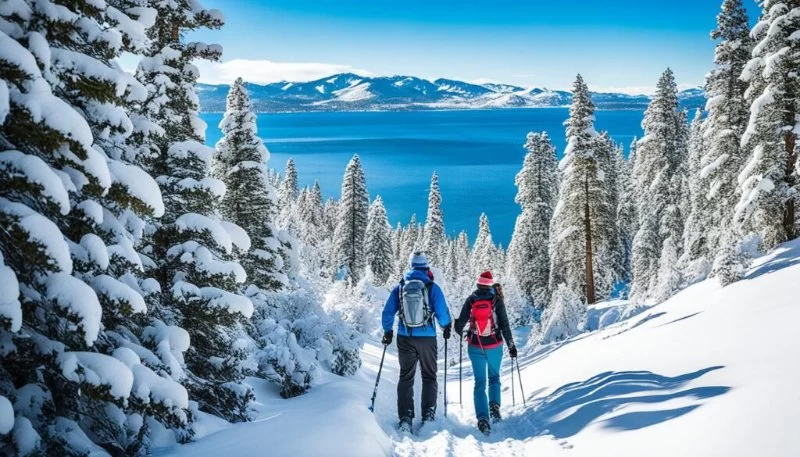
- 1. Why Snowshoeing is the Perfect Winter Adventure
- 2. Top Snowshoeing Destinations in the U.S.
- 3. Best Snowshoeing Trails for All Skill Levels
- 4. Real-Life Stories from Snowshoeing Adventurers
- 5. Tips for Beginner and Advanced Snowshoers
1. Why Snowshoeing is the Perfect Winter Adventure
If you’ve ever been captivated by the serene beauty of winter landscapes, snowshoeing offers one of the best ways to explore them. As someone who has always loved winter sports, I can’t help but rave about how snowshoeing combines the thrill of outdoor adventure with the peace of nature. Unlike skiing or snowboarding, snowshoeing doesn’t require steep slopes or complex equipment, making it accessible to adventurers of all levels.
One of the reasons snowshoeing is so appealing is that it allows you to venture into areas that might otherwise be difficult to reach in the winter. Whether you're trekking through snow-covered forests, climbing mountain paths, or crossing frozen lakes, snowshoeing opens up a world of winter beauty. Plus, it’s a low-impact workout that lets you enjoy the outdoors while staying active.
2. Top Snowshoeing Destinations in the U.S.
The U.S. offers countless places to enjoy snowshoeing, each with its unique charm and terrain. From the Rocky Mountains to the Northeast, here are some of the top snowshoeing destinations that I highly recommend:
2.1 Rocky Mountain National Park, Colorado
Located just outside of Estes Park, Colorado, Rocky Mountain National Park is a snowshoer’s paradise. The park boasts over 350 miles of trails, many of which are open to snowshoers in winter. Whether you're looking for a scenic loop around Bear Lake or a more challenging trek up to the Flattop Mountain, this park has it all. I recently hiked along the Bear Lake Trail in winter, and the view of the snow-capped peaks and frozen lake was absolutely breathtaking. It was the perfect combination of beauty and tranquility.
2.2 Yellowstone National Park, Wyoming
Yellowstone is known for its geothermal wonders, but it’s also home to some fantastic snowshoeing terrain. I had the chance to visit during the winter season, and it was truly magical. You can trek around the Mammoth Hot Springs, explore the frozen Norris Geyser Basin, or take in the stunning views of the Lamar Valley with its abundant wildlife. Snowshoeing through Yellowstone in the winter gives you an entirely different perspective of the park, and it's far less crowded than during the summer months.
2.3 Adirondack Mountains, New York
If you're on the East Coast, the Adirondacks in New York offer some of the best snowshoeing in the region. With over 2,000 miles of marked trails, the Adirondacks are ideal for both beginners and advanced snowshoers. I personally enjoyed the serene atmosphere of the Cascade Mountain trail, which provides sweeping views of the surrounding peaks and valleys. The peacefulness of snowshoeing through the dense forests of the Adirondacks makes it a perfect winter escape.
2.4 Mount Hood National Forest, Oregon
Mount Hood is a well-known destination for skiing and snowboarding, but it also offers fantastic snowshoeing opportunities. With its easy access from Portland, you can enjoy the breathtaking views of Mount Hood and the surrounding forest on snowshoe trails like Trillium Lake and the Zigzag Mountain Trail. The snow-covered landscapes here are perfect for a relaxing day in nature. I’ve found the Trillium Lake Trail to be an especially enjoyable, scenic route with incredible views of Mount Hood reflected in the lake.
3. Best Snowshoeing Trails for All Skill Levels
Whether you're a beginner looking for a gentle path or an experienced snowshoer seeking a challenge, there’s a trail out there for everyone. Here are some of the best snowshoeing trails I recommend, categorized by skill level:
3.1 Beginner Trails
If you're new to snowshoeing, there are plenty of easier trails to get you started. One of my favorites is the Jackson Hole Mountain Resort's easy trail, which loops around the resort area. The terrain is mostly flat, and the views of the Teton Mountains are spectacular. It’s a great way to ease into snowshoeing without the pressure of difficult terrain.
3.2 Intermediate Trails
For those with some experience, the Glen Alps Trail in Alaska offers a moderately challenging snowshoeing experience. The trail offers stunning views of Anchorage and is a good way to enjoy some elevation while not pushing too hard. I personally enjoyed the balance of beautiful vistas with a manageable level of difficulty.
3.3 Advanced Trails
If you’re an experienced snowshoer looking for a more challenging trail, I recommend the Mount Washington trail in New Hampshire. The weather can be unpredictable, and the climb can be quite strenuous, but the reward is incredible views of the Presidential Range. It’s one of the most challenging trails I've ever done, but it was worth every step!
4. Real-Life Stories from Snowshoeing Adventurers
Snowshoeing is an adventure that creates lasting memories, and I’ve had the pleasure of meeting fellow adventurers who have shared their stories with me. One friend, Jessica, recalls her snowshoeing experience in Yellowstone National Park, where she encountered bison grazing in the snow. “It was a surreal moment,” she told me, “seeing those massive creatures in the wild, surrounded by snow-covered terrain. It felt like something out of a movie.”
Another snowshoer I met, Dave, shared his experience hiking the Cascade Mountain trail in the Adirondacks. He said, “The climb was tough, but reaching the summit was incredibly rewarding. The views were spectacular, and the snow-covered trees made the entire hike feel magical.”
These real-life stories remind me of the joy and fulfillment that snowshoeing brings—whether it’s the beauty of nature, the challenge of the trail, or the sense of peace that comes with being outdoors in the winter.
5. Tips for Beginner and Advanced Snowshoers
No matter your skill level, there are a few tips I’ve learned over the years to help you enjoy your snowshoeing adventure to the fullest:
- Dress in Layers: It’s important to dress in layers so you can adjust your clothing based on how warm or cold you feel during the hike.
- Wear Proper Footwear: Snowshoeing requires sturdy boots with good ankle support. Make sure your boots are waterproof and insulated to keep your feet warm and dry.
- Stay Hydrated: Even in winter, it’s important to stay hydrated, so always carry water with you during your hike.
- Check the Weather: Winter weather can change quickly, so always check the forecast before heading out, and be prepared for changes.
- Respect Nature: Snowshoeing is about enjoying the natural beauty around you. Stick to marked trails, and remember to pack out all trash.
With the right preparation and mindset, snowshoeing can be an incredible winter activity. Whether you're seeking a peaceful day on a flat trail or an adrenaline-pumping climb, there’s something for everyone.
If you’re looking for more tips or the best equipment for your snowshoeing adventures, be sure to visit Refined Travel for expert recommendations and products that will make your trip even better.
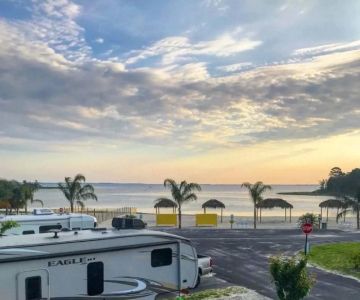

 Centralia Mobile Home Park3.0 (28 reviews)
 RiverDream Camps4.0 (53 reviews)
 Lucky Oak Mobile Home Park0.0 (0 reviews)
 Buck Creek Campground4.0 (12 reviews)
 Dillon State Park Horseman's Campground4.0 (6 reviews)
 Eastern Lake Campground 23.0 (7 reviews)
 Exclusive Travel Packages for First-Class Travelers: A Guide to Luxury Vacations
 Refined Travel Experiences in Southeast Asia: Explore Luxury & Unique Destinations
 How to Make the Most of Luxury Vacation Deals: Expert Tips for Savvy Travelers
 Refined Travel Itineraries for Art and Culture Lovers: Explore the World of Art and History
 How to Enjoy a Refined Travel Experience in the Mountains
 Most Luxurious Destinations for Honeymooners: Top Spots for Romance and Luxury