
- Why Choose Remote Camping
- Planning Your Remote Camping Trip
- Essential Gear for Remote Camping
- Safety Tips for Remote Camping
- Real-Life Remote Camping Experiences
Why Choose Remote Camping
As someone who has always loved the outdoors, I’ve discovered that remote camping offers a completely different experience than traditional campgrounds. For me, it's not just about escaping the noise of the city; it's about finding peace in the wilderness and connecting with nature in its purest form. When I first ventured into remote camping, I was seeking solitude, but what I found was a sense of freedom and adventure that I hadn’t expected. If you’re a nature lover like me, you’ll find that the rewards of remote camping go far beyond just the escape—it's about creating unforgettable memories and challenging yourself in ways that ordinary campsites just can't offer.
In this article, I’ll walk you through how to plan a remote camping trip, including why it’s a great choice for adventurers, the essential gear you’ll need, and important safety tips. By the end, you’ll be ready to embark on your own adventure and enjoy the magic of remote camping with confidence.
Planning Your Remote Camping Trip
Planning is crucial when it comes to remote camping. The last thing you want is to find yourself in a remote area without the necessary preparation. Over the years, I’ve learned that meticulous planning can make or break a camping trip. Here are the steps I follow when preparing for a remote camping adventure:
2.1. Choose the Right Location
The first step is choosing the right location. Remote camping means you'll likely be far from civilization, so it’s important to pick a location that suits your level of experience and the type of environment you're comfortable with. For me, I prefer remote sites that offer a mix of natural beauty and challenges, such as forests, lakes, or mountains. Make sure to research the area beforehand, check for any restrictions, and determine the terrain and accessibility. You don’t want to end up in a location that's too difficult to access, especially if you're camping alone.
2.2. Research Weather Conditions
Understanding the weather conditions is crucial when planning a remote camping trip. I always check the forecast for the days leading up to the trip, including temperature fluctuations and the likelihood of rain or storms. Remote camping often means dealing with unpredictable weather, so it’s important to be prepared for any situation. In my experience, unexpected weather changes can turn an otherwise fun adventure into a stressful situation if you're not properly equipped.
2.3. Plan Your Route and Transportation
When I plan a remote camping trip, I also make sure to plan my route and transportation. This involves mapping out the exact path to the campsite and understanding the terrain and distance involved. Some remote campsites require hiking in, while others may have vehicle access. I always make sure to bring along a GPS device, map, and compass, just in case I lose signal. Additionally, I inform someone close to me about my plans, including the route and expected return date, for safety reasons.
Essential Gear for Remote Camping
One of the key aspects of remote camping is ensuring that you have the right gear. Unlike traditional camping where amenities like restrooms and stores are nearby, remote camping requires you to be self-sufficient. Based on my own experience, here’s a list of essential gear I always take on a remote camping trip:
3.1. Shelter and Sleeping Equipment
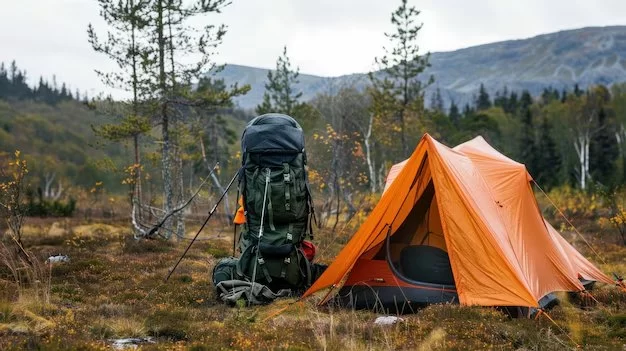
Your shelter is the first thing to consider when remote camping. A sturdy tent designed for outdoor survival is a must, as it will protect you from the elements. I personally opt for a tent with good weather resistance and enough space to store my gear. A good sleeping bag suited for the expected temperatures is also essential, along with a comfortable sleeping pad to ensure a good night’s rest. I’ve learned the hard way that a poor night’s sleep in a cold, uncomfortable sleeping bag can affect your energy levels for the rest of the trip.
3.2. Cooking Equipment and Food
Remote camping means you need to be prepared to cook your own meals. I bring a portable camping stove, lightweight cookware, and non-perishable food like dehydrated meals, nuts, and energy bars. I also pack a portable water filter or water purification tablets, especially if the water source in the area is unreliable. In my experience, having a good cooking setup can really enhance the camping experience, allowing you to enjoy warm meals even in the wilderness.
3.3. Safety and Navigation Tools
Safety is a top priority when camping in remote areas. I always pack a first-aid kit, a multi-tool, a flashlight, and a whistle. In addition to these, a portable charger for my phone and a GPS unit are essential for navigation. I’ve found that a well-stocked first-aid kit can come in handy in case of small injuries like cuts or scrapes. The GPS helps me stay on track and find my way if I stray off the path.
Safety Tips for Remote Camping
While remote camping offers an incredible experience, it also comes with inherent risks. It’s important to stay prepared and aware of your surroundings. Here are some safety tips that have helped me stay safe during my remote camping trips:
4.1. Stay Aware of Wildlife
Wildlife encounters are a big concern when camping in remote areas. I’ve learned to store food securely in bear-proof containers and to be cautious when hiking or cooking. In areas where bears or other large predators are common, I always make noise to alert animals of my presence and avoid surprising them. While I’ve had some fascinating wildlife encounters, I always ensure that I respect their space and keep a safe distance.
4.2. Be Prepared for Emergencies
No matter how well-planned your camping trip is, emergencies can still happen. That’s why I always make sure to pack an emergency kit that includes extra food, a multi-tool, a fire starter, and emergency blankets. Additionally, I let someone know my camping plans and my expected return time. This simple precaution can be a lifesaver in case something goes wrong.
4.3. Weather Awareness and Shelter
Weather conditions in remote areas can change rapidly, so I always make sure to have an emergency shelter in case of storms. A weatherproof tent and a sturdy tarp are great for keeping you dry and safe during unexpected downpours. I also monitor weather apps to stay updated during the trip. I’ve learned to be ready for anything when camping in remote locations, from sudden rain showers to wind gusts, and having the right gear helps me stay safe and comfortable.
Real-Life Remote Camping Experiences
Over the years, I’ve had some unforgettable remote camping experiences that have taught me valuable lessons. One memorable trip took me deep into the wilderness of Yosemite, where I hiked miles to reach a secluded campsite by a mountain lake. The experience taught me the importance of thorough preparation—everything from mapping the route to ensuring I had enough water for the hike. The isolation was both peaceful and humbling, and it gave me a true sense of connection to nature.
If you’re interested in embarking on your own remote camping adventure, I recommend checking out Refined Travel for tips and resources on planning your trip. Whether you need expert advice on gear or recommendations for remote camping spots, they offer everything you need to get started.
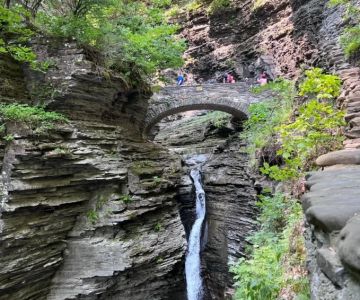
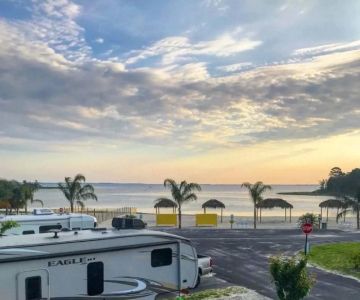

 Central MS Mobile Home Park3.0 (13 reviews)
 Big Foote Campground4.0 (22 reviews)
 Baytown RV Park3.0 (81 reviews)
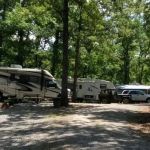 Sunset Harbor Hill Campground5.0 (1 reviews)
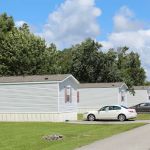 Royal Valley Mobile Home Community3.0 (174 reviews)
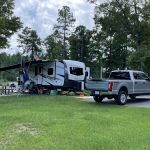 Alligator Lake RV Park4.0 (40 reviews)
 Exclusive Travel Packages for First-Class Travelers: A Guide to Luxury Vacations
 Refined Travel Experiences in Southeast Asia: Explore Luxury & Unique Destinations
 How to Make the Most of Luxury Vacation Deals: Expert Tips for Savvy Travelers
 Refined Travel Itineraries for Art and Culture Lovers: Explore the World of Art and History
 How to Enjoy a Refined Travel Experience in the Mountains
 Most Luxurious Destinations for Honeymooners: Top Spots for Romance and Luxury