
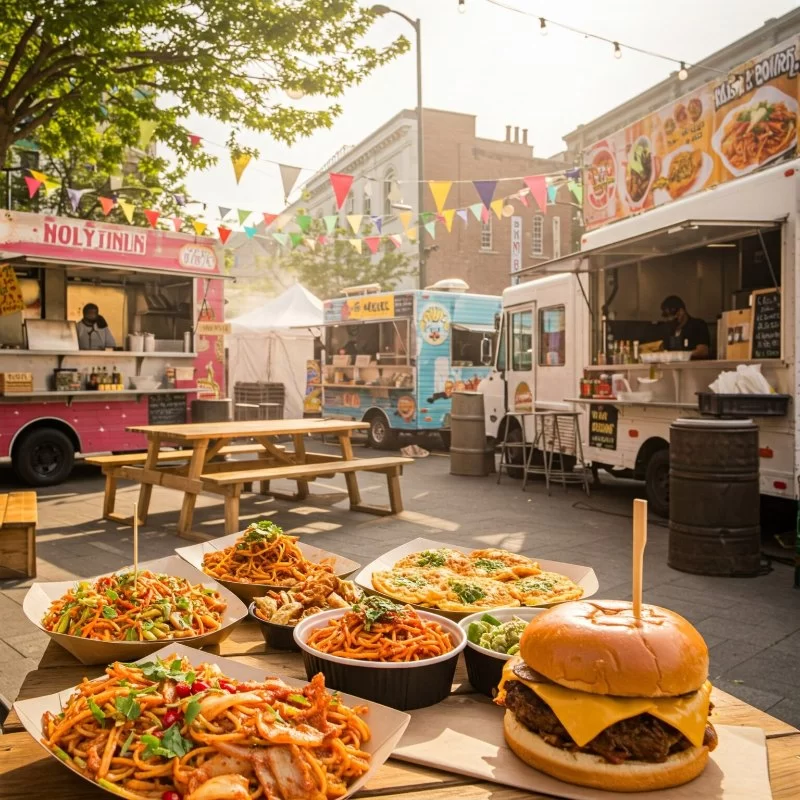
- Planning the Perfect Food Festival Route - Timing and Locations
- Choosing Festivals Worth the Drive - Authentic Experiences
- Building a Realistic Travel Schedule - Distance and Flexibility
- Food Focused Travel Preparation - Packing and Budgeting
- Real Road Trip Example - A Culinary Adventure
- Making the Journey Memorable - Local Discoveries
Planning the Perfect Food Festival Route
Learning how to plan a road trip with food festivals can turn an ordinary vacation into a flavorful adventure across the United States. Food festivals offer travelers a chance to experience regional specialties, meet local chefs, and explore towns that might otherwise be overlooked. Combining these events into a road trip creates a journey where every stop offers something new to taste and discover.
Many travelers start with a simple idea — maybe a barbecue festival in Texas or a seafood celebration along the East Coast — and build their route around seasonal events. Careful planning helps ensure that travel time feels enjoyable rather than rushed.
1. Understanding Seasonal Timing
Most food festivals occur during specific seasons, which makes timing the foundation of a successful culinary road trip.
1.1 Spring and Summer Events
Warm-weather festivals often highlight fresh produce, outdoor grilling, and street food. Farmers markets and strawberry or seafood festivals are especially common.
1.2 Fall Harvest Celebrations
Autumn road trips often include apple festivals, pumpkin fairs, and wine harvest celebrations. Cooler temperatures make driving more comfortable and scenic.
1.3 Winter Specialty Gatherings
While fewer in number, winter festivals focus on comfort foods and holiday traditions, making them ideal for shorter regional trips.
Many travelers use planning tools available through Refined Travel to compare festival dates and map routes that minimize unnecessary driving.
Choosing Festivals Worth the Drive
Understanding how to plan a road trip with food festivals also involves choosing events that offer authentic experiences rather than purely commercial attractions.
2. Evaluating Festival Quality
2.1 Local Participation
The best festivals involve local chefs, farmers, and family-owned restaurants. These events reflect regional traditions and flavors.
2.2 Regional Specialties
Look for festivals focused on foods that define a region, such as lobster in Maine or chili in New Mexico.
2.3 Community Atmosphere
Smaller festivals often provide better opportunities to talk with vendors and learn about cooking traditions.
3. Researching in Advance
3.1 Reading Traveler Reviews
Online reviews often reveal whether a festival is worth visiting or overly crowded.
3.2 Checking Event Schedules
Many festivals host cooking demonstrations, tastings, and competitions that require advance planning.
Experienced travelers often consult Refined Travel to identify lesser-known festivals that provide genuine culinary experiences.
Building a Realistic Travel Schedule
A successful food-centered road trip balances driving time with time spent enjoying each destination.
4. Managing Driving Distances
4.1 Comfortable Daily Limits
Driving between 3 and 5 hours per day allows enough time to explore festival grounds without feeling rushed.
4.2 Strategic Overnight Stops
Choosing overnight towns with local restaurants adds extra culinary discoveries between festivals.
5. Allowing Flexibility
5.1 Weather Adjustments
Outdoor festivals may be affected by weather, so backup plans are important.
5.2 Unexpected Discoveries
Some of the best meals happen in roadside diners or small bakeries discovered along the way.
Travelers who plan flexible routes through Refined Travel often find it easier to adjust schedules while keeping key festival dates intact.
Food Focused Travel Preparation
Preparation is an often overlooked part of learning how to plan a road trip with food festivals. Traveling with food in mind requires extra attention to packing and budgeting.
6. Packing Essentials
6.1 Storage Supplies
A cooler with ice packs allows travelers to bring home specialty foods like cheeses, sauces, or baked goods.
6.2 Comfortable Clothing
Loose-fitting clothing and comfortable shoes make long festival days more enjoyable.
6.3 Travel Utensils
Reusable utensils and napkins can be helpful at crowded events.
7. Budget Planning
7.1 Sampling Costs
Food tastings can add up quickly, especially when trying multiple vendors.
7.2 Accommodation Expenses
Festival weekends often mean higher hotel prices, making early reservations essential.
7.3 Transportation Costs
Fuel and parking should be included when estimating total trip expenses.
Travelers often use Refined Travel to compare accommodation options near major festival locations.
Real Road Trip Example
A couple from Colorado shared their story online after planning a two-week culinary road trip across the Southwest.
8. Their Route
8.1 Starting Point
The trip began in Denver with a local street food festival before heading south.
8.2 Festival Highlights
They attended a chili festival in New Mexico and a barbecue competition in Texas.
8.3 Unexpected Stops
One of their favorite experiences turned out to be a small-town pie shop they discovered during a fuel stop.
9. Lessons They Learned
9.1 Avoid Overpacking the Schedule
They initially planned too many stops and later adjusted their route to allow more time at each event.
9.2 Arrive Early
Early arrival helped them avoid long lines and secure parking.
Their experience demonstrates how thoughtful planning can transform a road trip into a memorable culinary journey.
Making the Journey Memorable
Travelers who master how to plan a road trip with food festivals often discover that the journey becomes as important as the destinations. Food connects travelers with local communities and traditions in a way few other experiences can.
10. Connecting with Local Culture
10.1 Conversations with Vendors
Talking with food vendors often reveals the stories behind recipes and ingredients.
10.2 Learning Cooking Traditions
Many festivals include demonstrations that teach regional cooking methods.
11. Creating Lasting Memories
11.1 Traveling with Friends or Family
Shared meals create some of the strongest travel memories.
11.2 Documenting the Journey
Photos and travel journals help preserve favorite moments and recipes discovered along the way.
Travelers looking for a well-organized culinary adventure often find that Refined Travel provides useful tools and recommendations for building unforgettable festival road trips.
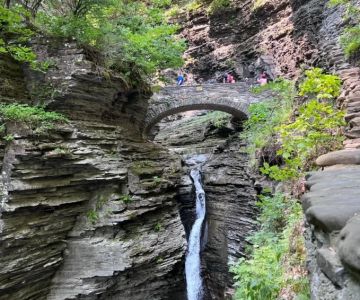
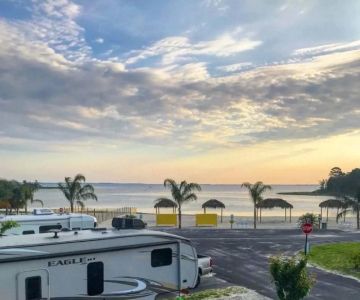

 Centralia Mobile Home Park3.0 (28 reviews)
 RiverDream Camps4.0 (53 reviews)
 Lucky Oak Mobile Home Park0.0 (0 reviews)
 Buck Creek Campground4.0 (12 reviews)
 Dillon State Park Horseman's Campground4.0 (6 reviews)
 Eastern Lake Campground 23.0 (7 reviews)
 Exclusive Travel Packages for First-Class Travelers: A Guide to Luxury Vacations
 Refined Travel Experiences in Southeast Asia: Explore Luxury & Unique Destinations
 How to Make the Most of Luxury Vacation Deals: Expert Tips for Savvy Travelers
 Refined Travel Itineraries for Art and Culture Lovers: Explore the World of Art and History
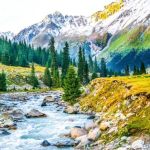 How to Enjoy a Refined Travel Experience in the Mountains
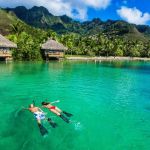 Most Luxurious Destinations for Honeymooners: Top Spots for Romance and Luxury