
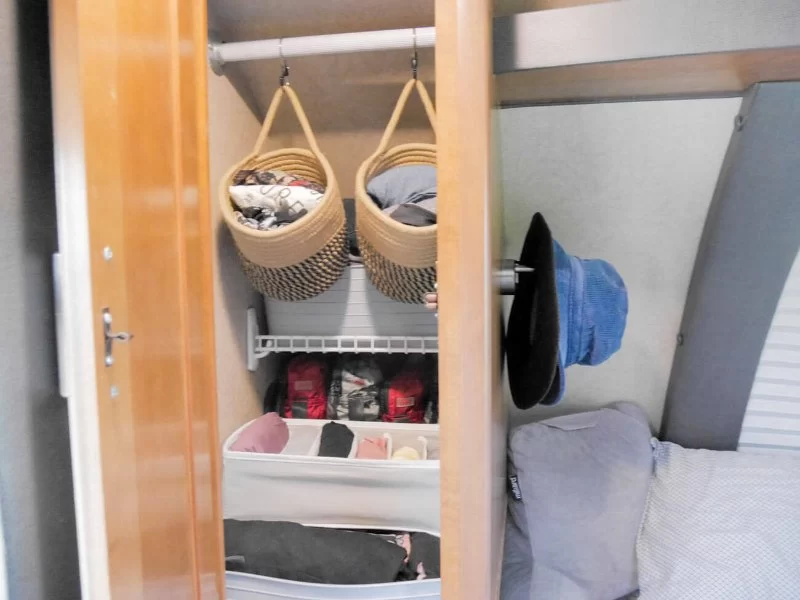
- 1-Why Choose Long-Term RV Storage?
- 2-Factors to Consider When Storing an RV
- 3-Types of RV Storage Solutions
- 4-Choosing the Right Storage for Your RV
- 5-Common Mistakes to Avoid in RV Storage
1. Why Choose Long-Term RV Storage?
When you’re planning a long trip or taking an extended break from RVing, figuring out where to store your RV can be a big concern. After all, the idea of leaving your home on wheels behind for an extended period raises questions about security, maintenance, and access. But the good news is, there are plenty of effective RV storage solutions that will ensure your vehicle stays in great shape while you’re away. In fact, long-term RV storage can provide a safe and affordable option for keeping your RV secure until you return.
1.1 The Benefits of Long-Term RV Storage
Choosing long-term RV storage gives you peace of mind knowing that your RV is secure, properly maintained, and protected from harsh weather conditions. Whether you're storing your RV during the off-season or for an extended trip, it’s crucial to find a solution that meets both your budget and your storage needs. A secure and professional storage facility can also help prevent potential issues like rust, mold, and unwanted pests.
2. Factors to Consider When Storing an RV
When looking into RV storage solutions, there are several factors you should consider to make sure your RV is well-maintained and safe. Let’s take a closer look at the key considerations:
2.1 Indoor vs. Outdoor Storage
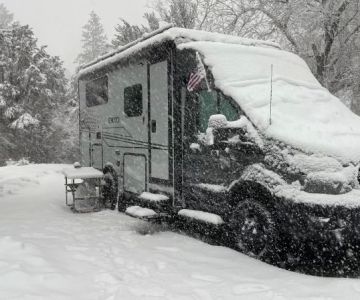
The primary decision you’ll need to make is whether to store your RV indoors or outdoors. Indoor storage provides added protection against the elements and is ideal if you plan to store your RV for a long period. Outdoor storage, while more affordable, exposes your RV to weather-related risks like UV damage and harsh winds. If you’re storing an RV for a shorter period, outdoor storage may be sufficient, but for long-term storage, indoor storage is recommended.
2.2 Location of the Storage Facility
It’s important to choose a storage facility that’s conveniently located, especially if you plan to access your RV occasionally. Look for a facility that’s easily accessible from main roads, with wide aisles for easy maneuvering. Additionally, consider the facility’s proximity to your home or the destinations you plan to visit in the future.
2.3 Security Features
Security is a major concern for RV owners, particularly when storing for an extended period. Look for storage facilities that offer secure features like gated entry, surveillance cameras, and 24-hour access. Some facilities also offer individual unit locks and even on-site staff to ensure your RV is protected from theft or vandalism.
3. Types of RV Storage Solutions
There are several types of RV storage solutions available, each offering unique advantages. Depending on your needs, you may prefer one type over another. Let’s break down the most common types:
3.1 Covered RV Storage
Covered RV storage offers protection from the sun and weather while still allowing the vehicle to be parked outdoors. This type of storage typically features a canopy or roofed structure, providing shelter from rain, snow, and UV rays. It’s a good option if you want some level of protection but don’t want to pay for indoor storage.
3.2 Indoor RV Storage
Indoor RV storage provides the highest level of protection, as it shelters your vehicle from all weather conditions. It’s particularly useful for high-end RVs, motorhomes, and travel trailers that need protection from the elements to preserve their condition. Indoor storage can also help prevent mold and mildew buildup, which can occur when an RV is exposed to moisture.
3.3 Self-Storage Units
Self-storage units are another option for RV storage, especially if you’re looking for a more affordable solution. These units are typically smaller than indoor storage facilities but can provide sufficient space for a compact RV or trailer. While they offer some level of security and protection, they may not offer the same level of weather protection as other options.
4. Choosing the Right Storage for Your RV
Choosing the best storage option for your RV depends on several factors, including the length of your trip, budget, and the condition of your vehicle. Here’s what you should keep in mind when making your decision:
4.1 Assessing Your RV’s Needs
Before you choose a storage option, it’s essential to evaluate your RV’s needs. Is your RV prone to damage from the elements? Do you need access to it during your time away? Understanding these factors will help guide your decision on whether to choose indoor storage, covered storage, or another option.
4.2 Budget Considerations
Your budget will play a significant role in your decision. While indoor storage offers the highest level of protection, it is often more expensive than outdoor or covered storage options. Weigh the benefits of each storage option against your budget to find the most affordable and practical solution.
4.3 Long-Term Storage vs. Short-Term Storage
If you’re storing your RV for several months or even years, long-term storage options like indoor or covered storage are ideal for maintaining your vehicle’s condition. However, if you’re only storing your RV for a few weeks or a short period, outdoor storage may be a suitable, more cost-effective option.
5. Common Mistakes to Avoid in RV Storage
Storing an RV for the long term requires some planning and care. Here are a few common mistakes to avoid when choosing and preparing your RV storage:
5.1 Not Preparing Your RV for Storage
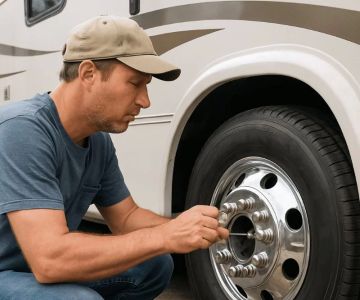
Before storing your RV, make sure you properly prepare it for long-term storage. This includes emptying all tanks, disconnecting the battery, cleaning the interior and exterior, and protecting the tires. Failing to prepare your RV can lead to issues like mold, tire damage, and battery problems.
5.2 Choosing Inadequate Storage Space
Choosing storage that’s too small or doesn’t have the necessary features can lead to problems down the road. Ensure that the storage facility you choose has adequate space for your RV and offers features like security and weather protection. Don’t hesitate to inspect the facility before committing to ensure it meets your needs.
By following these tips and understanding the different types of storage options available, you can ensure your RV is safely stored and ready for your next adventure. For more expert advice on RV storage and tips for traveling, check out Refined Travel for recommendations and guidance!




 US Army Corps of Engineers4.0 (19 reviews)
 Town & Country Mobile Home Park3.0 (11 reviews)
 Creekside RV Park4.0 (683 reviews)
 Christ Outpost RV Park4.0 (13 reviews)
 Whispering Wind RV Park0.0 (0 reviews)
 Cuzzin RV Park3.0 (10 reviews)
 Exclusive Travel Packages for First-Class Travelers: A Guide to Luxury Vacations
 Refined Travel Experiences in Southeast Asia: Explore Luxury & Unique Destinations
 How to Make the Most of Luxury Vacation Deals: Expert Tips for Savvy Travelers
 Refined Travel Itineraries for Art and Culture Lovers: Explore the World of Art and History
 How to Enjoy a Refined Travel Experience in the Mountains
 Most Luxurious Destinations for Honeymooners: Top Spots for Romance and Luxury