
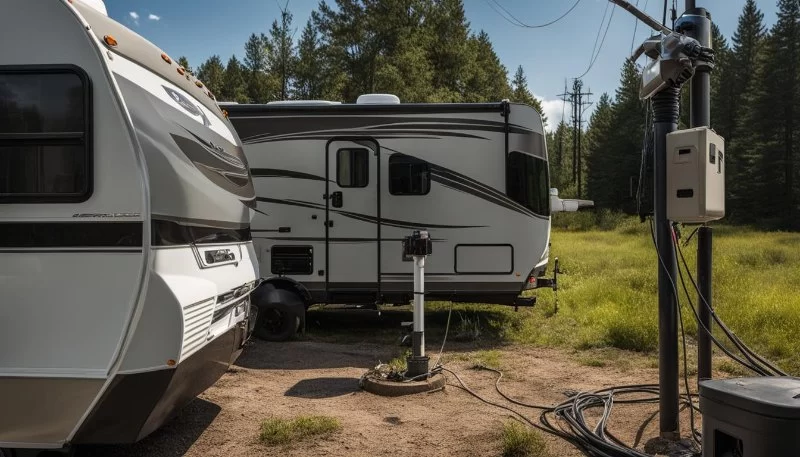
- #understanding-rv-hookup-etiquette - Understanding RV Hookup Etiquette
- #how-to-set-up-rv-hookups - How to Set Up RV Hookups
- #water-and-electricity-hookups-for-rv-travelers - Water and Electricity Hookups for RV Travelers
- #sewage-hookups-and-best-practices - Sewage Hookups and Best Practices
- #important-dos-and-donts-for-rv-hookups - Important Dos and Don’ts for RV Hookups
- #keeping-your-rv-campsite-organized-and-respectful - Keeping Your RV Campsite Organized and Respectful
- #tips-for-first-time-rv-travelers-and-hookups - Tips for First-Time RV Travelers and Hookups
1. Understanding RV Hookup Etiquette
As an avid RV traveler, I can tell you that there’s a certain unspoken code when it comes to RV camping. Whether you’re a seasoned pro or just starting out, understanding RV hookup etiquette is crucial for making your journey smooth and respectful for everyone around you. From hooking up water and electricity to managing waste, there’s a lot to learn, and following the right practices ensures you enjoy your travels while respecting fellow campers and nature.
1.1 What Are RV Hookups?
In simple terms, RV hookups are the connections that provide essential utilities to your RV when parked at a campsite. These include water, electricity, and sewage services, which make life on the road much more comfortable. The convenience of having access to power for lights, water for showers, and proper waste disposal cannot be overstated. However, using these services responsibly and with respect for others is just as important as having them available.
1.1.1 Different Types of RV Hookups
Not all campsites offer full hookups. Some provide only water and electricity, while others might also include sewage disposal. It’s important to check what types of hookups are available at the campsite you’re visiting. Knowing the setup ahead of time will help you prepare the necessary equipment for a smooth experience.
1.2 Why Etiquette Matters
Just as in any shared living space, practicing good etiquette when hooking up your RV ensures that everyone has an enjoyable and hassle-free experience. Whether it’s making sure your water hose is properly secured or leaving enough space between you and your neighbors, these small actions show respect for others and help maintain a peaceful and organized camping environment. It also ensures that you are minimizing your environmental impact and keeping everything running smoothly for the next traveler.
2. How to Set Up RV Hookups
Setting up RV hookups is an essential skill for any RV traveler. When I first started, I felt a bit intimidated, but over time, I learned the steps and now feel completely comfortable. It’s all about being prepared and taking your time to do things correctly. Let me walk you through the basic steps of setting up water, electricity, and sewage hookups at your campsite.
2.1 Water Hookup
The first thing I do when I arrive at a campsite is connect the water. Most campsites will have a water spigot specifically for RVs, and you’ll need a drinking water hose (usually white) to make the connection. One important thing I learned early on is to always use a pressure regulator. This helps prevent any damage to the RV’s plumbing system, as water pressure can vary from campsite to campsite.
2.1.1 Ensuring Safe Water Quality
It’s crucial to use a food-grade hose for drinking water to avoid contamination. I’ve always made sure to use a clean hose, and I recommend giving it a good rinse before connecting it to your RV’s water supply. Some RVers even carry water filters to further ensure the water is safe for drinking, cooking, and showering. A little extra caution goes a long way in maintaining your health during your trip.
2.2 Electrical Hookup
Next, I move on to connecting the electrical power. Most RVs use a standard 30-amp or 50-amp electrical connection, so it’s important to check which type of power source is available at your campsite. I always make sure to bring an adapter just in case the campsite offers a different type of hookup than what I’m used to.
2.2.1 Turning on the Power Safely
When you plug in the power cord, make sure that the connection is secure and the power supply is working. I recommend turning on your RV’s electrical system one step at a time, checking appliances like the lights, air conditioning, and refrigerator to make sure everything is functioning properly. If something isn’t working, it’s always a good idea to check the circuit breaker at the campsite to ensure the power supply is stable.
2.3 Sewage Hookup
Connecting the sewage system was one of the things I was most nervous about when I first started RVing. However, it’s really not as complicated as it seems. Most campsites with full hookups will have a designated sewage dump area where you can dispose of your waste safely. The key is to make sure that the sewer hose is tightly connected and secure to avoid any spills or leaks.
2.3.1 Maintaining Proper Waste Disposal
When I first started RVing, I learned the hard way about the importance of proper waste disposal. Always remember to use a sturdy, high-quality sewer hose, and never leave it lying on the ground when not in use. Additionally, use proper chemicals for your RV’s holding tanks to ensure that everything stays clean and odor-free. Properly maintaining your sewage hookups not only keeps your RV clean but also helps maintain the cleanliness of the campsite.
3. Important Dos and Don’ts for RV Hookups
As I gained more experience traveling with my RV, I picked up some key dos and don’ts for RV hookups that have made my trips easier and more enjoyable. These guidelines help ensure that I’m respecting the campsite, my fellow travelers, and the environment while making the most of the available hookups.
3.1 Do: Use Proper Hoses and Connections
One of the first lessons I learned was to always use the right equipment for the job. It’s essential to have the correct hoses for water and sewage and to make sure they are in good condition. Avoid using household hoses for RV hookups, as they can be prone to leaking and contaminating the water supply. I also ensure that all connections are tightly secured to prevent any issues with water pressure or waste disposal.
3.1.1 Don’t: Overload Electrical Connections
It can be tempting to plug in multiple appliances at once, but overloading electrical connections is a safety hazard. I always make sure to check the amperage of the power supply at the campsite before plugging in anything. If necessary, I use a surge protector to prevent power surges that could damage my RV’s electrical system.
3.2 Do: Respect Other Campers
Being respectful to fellow campers is one of the most important aspects of RV hookup etiquette. I always make sure to keep my campsite tidy and my equipment properly stowed away. I also try to avoid any noise that could disturb others. This includes using a generator only when necessary and keeping it at a low volume.
3.2.1 Don’t: Leave Your Hookups Exposed
Another important rule is to never leave your hoses exposed or improperly stored. After you finish setting up, I make sure everything is neatly packed away and out of sight. Leaving hoses out in the open can be unsightly and unsafe. Also, it’s a good habit to check your hookups regularly throughout your stay to ensure everything is functioning correctly.
4. Keeping Your RV Campsite Organized and Respectful
As I’ve traveled more, I’ve come to appreciate the importance of keeping my RV campsite organized. A clean and well-maintained campsite not only ensures that everything is functioning properly but also helps keep the environment pleasant for everyone. It’s essential to follow campground rules, respect other campers’ space, and dispose of waste properly.
4.1 Keep the Campsite Tidy
One of the most basic yet effective ways to be a responsible RV traveler is to keep your campsite tidy. I always make sure to clean up after myself, store my equipment properly, and leave the site as I found it. A little effort goes a long way in ensuring that everyone has a positive camping experience.
4.1.1 Respect Nature
Respecting nature is a core principle when RV camping. I always take care to minimize my impact on the environment. This includes using environmentally friendly products, disposing of waste in designated areas, and respecting wildlife. By being mindful of the environment, we ensure that campgrounds remain beautiful and accessible for future travelers.
If you’re new to RV travel or looking for expert tips on RV camping and hookups, visit Refined Travel for recommendations on the best equipment and services to make your journey smoother and more enjoyable.

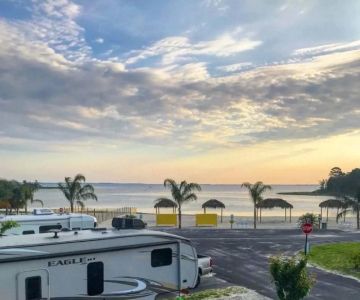

 CampOut Alabama4.0 (151 reviews)
 Trapper Arts Campground5.0 (1 reviews)
 Eagle Stone Campground4.0 (2 reviews)
 Springvale Campground4.0 (102 reviews)
 Still Waters Edge Retreat5.0 (41 reviews)
 Holly Ridge Estates3.0 (34 reviews)
 Exclusive Travel Packages for First-Class Travelers: A Guide to Luxury Vacations
 Refined Travel Experiences in Southeast Asia: Explore Luxury & Unique Destinations
 How to Make the Most of Luxury Vacation Deals: Expert Tips for Savvy Travelers
 Refined Travel Itineraries for Art and Culture Lovers: Explore the World of Art and History
 How to Enjoy a Refined Travel Experience in the Mountains
 Most Luxurious Destinations for Honeymooners: Top Spots for Romance and Luxury