
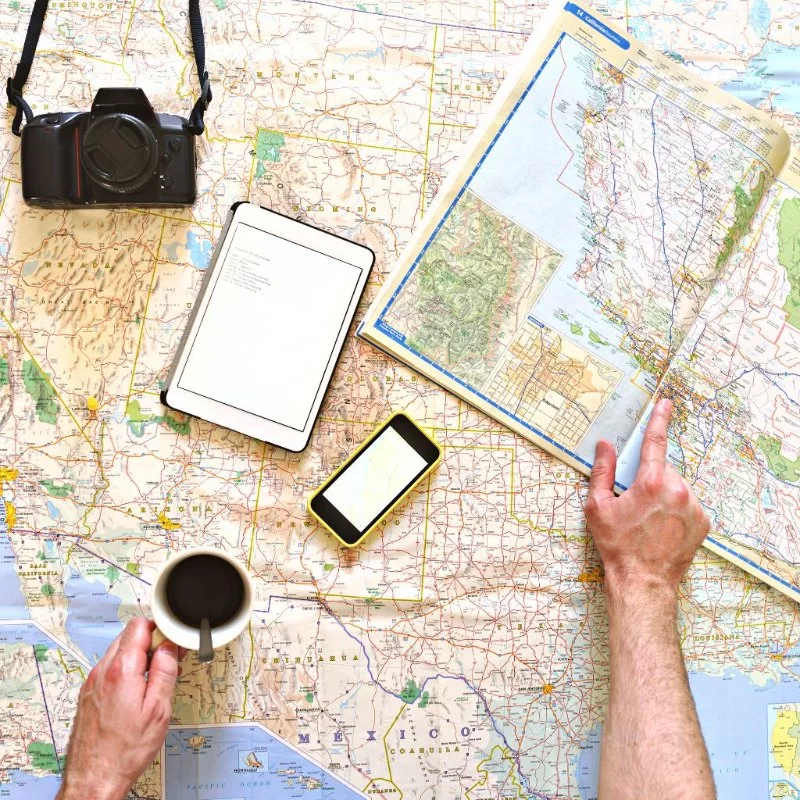
- Why-a-History-Based-Road-Trip-in-the-South-Is-Unique
- Building-a-Strong-Travel-Plan
- Choosing-Historic-Destinations-That-Matter
- Making-the-Experience-More-Meaningful
- Real-Road-Trip-Story-and-Lessons
How to Plan a History-Based Road Trip in the South
The first time I planned a road trip through the Southern United States, I thought it would be just another scenic drive—good food, nice weather, and a few interesting stops along the way. What I didn’t expect was how deeply the experience would stay with me.
Driving through the South is like traveling through layers of history. Every town, every building, every quiet street corner seems to carry a story. Planning a history-based road trip in the South is not just about mapping locations—it’s about understanding the narrative that connects them.
Building a Strong Travel Plan
1. Defining the Purpose of Your Trip
Before choosing destinations, I found it important to decide what kind of history I wanted to explore.
1.1 Civil War History
Many travelers focus on Civil War battlefields and memorials. These locations offer powerful insights into one of the most defining periods in American history.
1.2 Cultural and Social History
Others may be drawn to civil rights landmarks, music heritage, or local traditions that shaped communities over time.
2. Mapping a Logical Route
A well-planned route makes the trip smoother and more enjoyable.
2.1 Avoiding Overpacking the Schedule
I learned quickly that trying to visit too many places in one trip can take away from the experience. Slowing down allows you to truly absorb each location.
2.2 Connecting Locations Geographically
Grouping destinations by region reduces travel fatigue and helps maintain a natural flow throughout the journey.
3. Timing and Seasonal Considerations
The South can be hot and humid, especially in summer.
3.1 Choosing the Right Season
Spring and fall often provide the most comfortable conditions for travel.
3.2 Planning Around Local Events
Festivals and historical reenactments can add depth to your experience.
When I wanted to refine my itinerary and discover unique stops, I found that resources like Refined Travel helped highlight destinations I might have otherwise missed.
Choosing Historic Destinations That Matter
1. Iconic Landmarks
Some locations are essential for understanding Southern history.
1.1 Battlefields and Memorials
Places like Gettysburg or Vicksburg provide context that goes beyond textbooks.
1.2 Historic Cities
Cities such as Charleston, Savannah, and New Orleans offer a blend of architecture, culture, and storytelling.
2. Lesser-Known Stops
Some of the most meaningful experiences happen in smaller towns.
2.1 Local Museums
These often provide personal stories and perspectives that larger institutions may overlook.
2.2 Hidden Historical Markers
Sometimes, a simple roadside marker can reveal a story that changes how you see a place.
3. Balancing Education and Enjoyment
A history-based road trip should feel engaging, not overwhelming.
3.1 Mixing Activities
Combining historical exploration with food, nature, and relaxation keeps the trip enjoyable.
3.2 Giving Yourself Time to Reflect
Some sites carry emotional weight. Taking time to process what you’ve seen adds depth to the journey.
Making the Experience More Meaningful
1. Engaging With Local Perspectives
Talking to locals often provides insights that guidebooks cannot.
1.1 Listening to Stories
Personal narratives bring history to life in a way that facts alone cannot.
1.2 Asking Questions
Curiosity opens doors to deeper understanding.
2. Documenting Your Journey
Keeping a journal or taking photos helps preserve the experience.
2.1 Reflecting on What You Learn
Writing down thoughts after each stop made me realize how much I was absorbing.
2.2 Creating Lasting Memories
Looking back at those notes later made the trip feel even more meaningful.
3. Staying Open to Unexpected Discoveries
Some of the best moments aren’t planned.
3.1 Following Curiosity
If something catches your attention, it’s often worth exploring.
3.2 Embracing Flexibility
Allowing room for spontaneity can lead to unforgettable experiences.
Real Road Trip Story and Lessons
During one of my trips, I stopped in a small Southern town that wasn’t even on my original itinerary. There was a modest museum dedicated to local civil rights history. I almost skipped it, thinking it wouldn’t add much.
1. What Changed My Perspective
Inside, I found detailed accounts of community efforts that had never made it into national headlines. The stories were personal, powerful, and deeply moving.
2. Why It Stood Out
Unlike larger attractions, this place felt intimate. It reminded me that history isn’t just about major events—it’s about everyday people.
3. What I Took Away
That unexpected stop became the most memorable part of my entire trip. It reinforced something important: planning a history-based road trip in the South isn’t just about where you go, but how open you are to the stories you encounter along the way.
Looking back, the journey taught me that travel can be more than movement—it can be understanding, connection, and perspective all rolled into one experience.






 Dullen Loop Campsite4.0 (1 reviews)
 Tuskegee NF Tent Site #64.0 (2 reviews)
 Pecan Ridge Mobile Home Park2.0 (16 reviews)
 Stony Creek Family Campground4.0 (32 reviews)
 Wichita Bend RV Park4.0 (138 reviews)
 Rocky Fork State Park Campground4.0 (10 reviews)
 Exclusive Travel Packages for First-Class Travelers: A Guide to Luxury Vacations
 Refined Travel Experiences in Southeast Asia: Explore Luxury & Unique Destinations
 How to Make the Most of Luxury Vacation Deals: Expert Tips for Savvy Travelers
 Refined Travel Itineraries for Art and Culture Lovers: Explore the World of Art and History
 How to Enjoy a Refined Travel Experience in the Mountains
 Most Luxurious Destinations for Honeymooners: Top Spots for Romance and Luxury