

How to Plan a Road Trip on a Student Budget: Tips and Tricks for Affordable Travel
As a student, the idea of embarking on a road trip can seem like a dream, but the thought of expenses may make you hesitate. However, with proper planning and a bit of creativity, it’s entirely possible to hit the road without breaking the bank. In this article, I’ll share some of the best tips and strategies for planning a budget-friendly road trip that still offers an unforgettable adventure.
1. Set a Realistic Budget
Before anything else, it’s crucial to set a budget for your road trip. Factor in major costs such as gas, food, accommodation, and any activities you plan to do along the way. Be realistic about what you can afford, and don’t forget to account for unforeseen expenses.
As a student, you may already have limited funds, so consider saving up for a few months before your trip. You can also look for ways to cut costs, such as cooking meals at home instead of eating out. Set a daily spending limit for your trip, and try to stick to it as much as possible to avoid overspending.
2. Plan Your Route and Stops Wisely
One of the keys to a budget-friendly road trip is minimizing unnecessary driving. Plan your route so that you’re not wasting gas on long detours. Use apps like Google Maps or Roadtrippers to find the most efficient path, and try to map out affordable stops along the way.
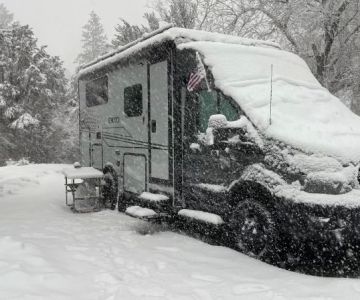
Instead of booking expensive hotels for every night, consider camping or staying at budget-friendly hostels or motels. Many national parks offer affordable campsites, and staying at a local Airbnb could also save you a lot compared to high-end hotels. If you’re traveling with friends, sharing the cost of accommodations can make it even more affordable.
3. Save Money on Gas
Gas is often the biggest expense when it comes to road trips, so it’s essential to find ways to reduce fuel costs. Here are a few ideas:
- Use apps like GasBuddy to find the cheapest gas stations along your route.
- Drive efficiently by avoiding rapid acceleration and maintaining a steady speed.
- Consider renting a fuel-efficient car if yours isn’t ideal for long trips.
4. Pack Your Own Food
Buying meals at restaurants along the way can quickly add up, especially if you’re stopping multiple times a day. Instead, save money by packing your own food. You can bring along sandwiches, snacks, and even a small cooler for drinks.
When you do need to eat out, try to find local, affordable options. Small diners or food trucks can provide a great experience at a fraction of the cost of more touristy spots.
5. Use Free or Low-Cost Activities
One of the best parts of a road trip is exploring new places. Fortunately, there are plenty of low-cost or free activities you can enjoy along the way. Here are some ideas:
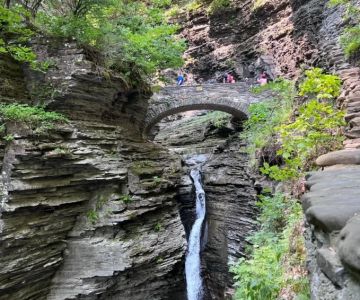
- Visit national parks and natural reserves for hiking, sightseeing, and picnicking.
- Explore free museums or local attractions that don’t charge admission.
- Take scenic drives and enjoy the beauty of the open road.
Many cities and towns also offer free walking tours, which can be a great way to learn about the local culture without spending any money.
6. Travel Off-Peak
If you have flexibility in your schedule, try to plan your road trip during off-peak seasons. Traveling during the school year or in the shoulder seasons can help you avoid crowds and high prices. Hotels and attractions are often cheaper during these times, and you’ll have a more relaxed experience overall.
7. Take Advantage of Student Discounts
As a student, you’re in a prime position to take advantage of discounts. Many attractions, restaurants, and even accommodations offer student discounts with an ID. Don’t be afraid to ask for discounts wherever you go, and always carry your student ID with you.
8. Plan for Safety and Emergency Costs
While you want to stick to your budget, it’s important to plan for emergencies. Make sure you have car insurance coverage, and consider purchasing travel insurance if your trip involves more than just driving. Having a safety net will give you peace of mind and ensure you’re prepared for any unexpected situations.
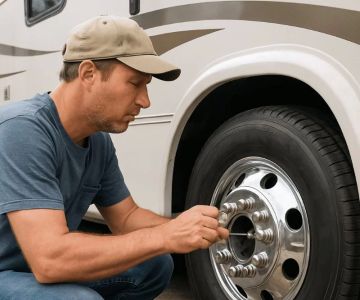
If you’re not familiar with roadside assistance, it’s a good idea to have a backup plan. You can consider services like AAA, or simply keep a list of local towing companies and mechanics along your route, just in case you run into trouble.
9. Enjoy the Journey!
Lastly, remember that the journey itself is part of the adventure. Don’t stress too much about sticking rigidly to your budget. If you find something exciting or unique along the way, it might be worth spending a little extra. A road trip is an experience, and sometimes, the best memories come from the unexpected moments.
With these tips, you can enjoy a budget-friendly road trip while making the most of your student budget. And if you want to explore more affordable travel ideas, check out Refined Travel for more suggestions on how to travel smart and save money along the way!



 Bear Creek Manufactured Home Community0.0 (0 reviews)
 Camp 10 Campground LLC4.0 (103 reviews)
 Mountain View Campground5.0 (4 reviews)
 Tent Camping USA4.0 (137 reviews)
 Triple-B RV Park4.0 (60 reviews)
 Southern Oaks MH & RV Community3.0 (196 reviews)
 Exclusive Travel Packages for First-Class Travelers: A Guide to Luxury Vacations
 Refined Travel Experiences in Southeast Asia: Explore Luxury & Unique Destinations
 How to Make the Most of Luxury Vacation Deals: Expert Tips for Savvy Travelers
 Refined Travel Itineraries for Art and Culture Lovers: Explore the World of Art and History
 How to Enjoy a Refined Travel Experience in the Mountains
 Most Luxurious Destinations for Honeymooners: Top Spots for Romance and Luxury