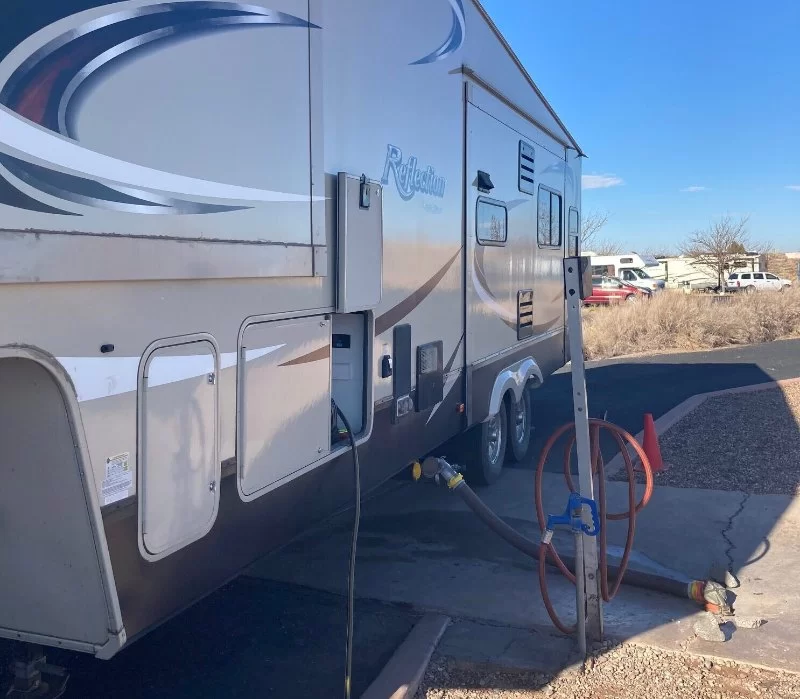
- 1. Understanding RV Holding Tank Sensors
- 2. Common Issues with RV Holding Tank Sensors
- 3. Improving Accuracy of RV Holding Tank Sensors
- 4. Tips for Maintaining RV Holding Tank Sensors
- 5. Choosing the Right Sensors and Products for Your RV

Learn how to maintain your RV bearings and axles for safe and smooth travels. Explore expert tips on lubrication, inspection, and common maintenance mistakes. Visit Refined Travel for the best RV products.
Plan the perfect Southern U.S. plantation trail and explore historical plantations, rich cultural heritage, and beautiful landscapes. Learn the best plantation tours and tips for an unforgettable journey.
Planning a winter RV trip? Discover essential tips to ensure a safe and enjoyable winter road trip. Learn what to pack, how to stay warm, and more to make the most of your adventure.Planning a Winter RV Trip: Essential Tips for a Safe and Enjoyable AdventureEmbarking on a winter RV trip can be one of the most rewarding experiences for adventure seekers and travel lovers. There's something magical about traveling through snow-covered landscapes, sipping hot cocoa by the campfire, and enjoying the serenity of winter's stillness. However, winter travel comes with its own set of challenges, especially when you're in an RV. Over the years, I’ve discovered plenty of tricks and tips to make winter RV trips not just bearable but downright enjoyable. Whether you're a seasoned traveler or a newcomer to winter RV adventures, this guide will help ensure your trip is as comfortable and safe as possible.1. Preparing Your RV for Winter TravelBefore hitting the road, it’s crucial to prepare your RV for the harsh conditions of winter. Cold weather can put a lot of strain on your vehicle, so addressing a few key areas will ensure a smoother and safer journey.1.1. Winterizing Your RV’s Plumbing SystemOne of the biggest concerns when RVing in winter is protecting your plumbing from freezing. Water pipes are highly susceptible to cold temperatures, and frozen pipes can cause serious damage. To prevent this, you’ll need to winterize your RV’s plumbing system before departure.Start by draining all water from your tanks and lines. Adding antifreeze to your water system will help keep the pipes from freezing. I also recommend investing in a heated hose if you'll be parked at a campsite with water hookups. This keeps water flowing and prevents freezing at the connection points.1.2. Insulating Your RVInsulation is key to staying warm inside your RV. If you’re traveling to an area where temperatures can drop significantly, you’ll need to add extra insulation to keep the heat in and the cold out. Some tips include:- Use insulated window coverings to reduce heat loss through windows.- Add thermal curtains or blankets to doors and windows.- Use foam board or Reflectix on walls and windows to help regulate temperature.1.3. Checking Your Tires and BatteryCold weather can be hard on tires and batteries. Before you set off, check your tire pressure, as it can drop in colder temperatures, affecting traction and performance. It's also a good idea to carry a spare set of winter tires if you're heading to areas with snow or ice.Make sure your RV’s battery is in good condition, as cold temperatures can cause batteries to drain quickly. I’ve found that carrying an extra battery is a good precaution, especially if you'll be off-grid for extended periods.2. What to Pack for a Winter RV TripPacking for a winter RV trip requires a few extra considerations compared to a typical road trip. You’ll need to bring along gear to keep you warm, safe, and prepared for changing weather conditions. Here’s a list of essential items that I always make sure to pack.2.1. Warm Clothing and BeddingIt’s easy to forget just how cold it can get, even inside the RV. Be sure to pack thermal underwear, warm hats, gloves, and thick socks. For bedding, I recommend using sleeping bags rated for low temperatures, in addition to extra blankets for added warmth.2.2. Portable HeatersWhile most RVs come with built-in heaters, they can sometimes be insufficient for extremely cold conditions. A portable heater can be a lifesaver during freezing nights. Look for safe, RV-friendly options such as propane or electric heaters designed specifically for small spaces.2.3. Emergency KitYou should always have an emergency kit with you when traveling in winter. Some essential items include:- Extra warm clothes- First aid kit- Flashlights with extra batteries- A shovel, ice scraper, and salt for clearing ice around your RV- Non-perishable food and extra water in case you get stranded2.4. Snow Chains and Traction MatsIf you're heading to snowy or icy areas, snow chains can help provide the extra traction you need to navigate slippery roads. Traction mats are also handy for getting out of snow or mud if your RV gets stuck.3. Choosing the Right Campgrounds for Winter RVingNot all campgrounds are open year-round, and those that are may have specific rules for winter camping. Researching ahead of time is crucial to finding the right spot for your winter RV trip.3.1. Look for Heated or Insulated CampgroundsSome RV campgrounds are designed specifically for winter stays, with heated facilities and insulated hookups. These campgrounds provide a warmer, more comfortable experience, especially when temperatures dip below freezing. I’ve found that these sites often have extra services such as hot showers, which are invaluable during winter trips.3.2. Consider Accessibility and ServicesIn winter, roads to remote campgrounds may not be plowed as frequently, making them difficult or impossible to reach. It’s important to choose campgrounds that are easily accessible during the winter months. Additionally, be sure to check if they offer amenities like electricity and water hookups. Some campgrounds also offer Wi-Fi, which can be a nice bonus if you need to stay connected.4. Staying Safe on the RoadWinter roads can be treacherous, so safety is a top priority when traveling in cold weather. Here are a few tips that I’ve learned from my winter RV experiences.4.1. Check Weather Conditions RegularlyBefore you start your journey, and throughout your trip, it’s crucial to keep an eye on the weather forecast. Winter storms can appear unexpectedly, so staying updated can help you avoid dangerous driving conditions.4.2. Slow Down and Drive CautiouslyIce and snow can make driving conditions hazardous, even on highways. When driving in winter weather, it’s important to reduce your speed and drive cautiously. Allow extra time for braking and make sure to maintain a safe distance from other vehicles.4.3. Be Prepared for EmergenciesIn case of an emergency, be sure to carry a mobile phone and a portable charger. In remote areas, cell service may be spotty, so knowing where emergency services are located beforehand is crucial.5. ConclusionPlanning a winter RV trip can be an incredible experience, offering a unique way to enjoy the colder months and discover beautiful landscapes. However, proper preparation is essential to ensure that your trip is safe, comfortable, and enjoyable. By following these tips and preparing your RV for winter conditions, you’ll be well on your way to an unforgettable adventure. And if you’re looking for great places to stay during your winter trip, be sure to check out Refined Travel for recommendations on campgrounds and RV-friendly spots.
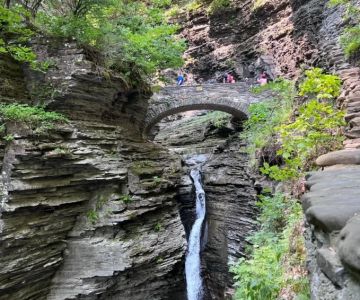
Discover the most breathtaking gorges in America. Explore stunning natural wonders, hiking trails, and the scenic beauty that these gorges offer. Plan your next adventure with us.Guide to America’s Most Breathtaking GorgesAs an avid traveler, I’ve had the privilege of exploring many beautiful landscapes across the United States. Among the most awe-inspiring natural wonders are America’s gorges—majestic, rugged formations that have been shaped over millennia by the forces of nature. Whether you’re an experienced hiker or just looking to explore, gorges offer a unique combination of beauty and adventure. In this article, I’ll take you on a journey through some of the most breathtaking gorges in the country, offering insights on what makes them so special and how you can explore them.1. Grand Canyon – A World-Renowned WonderIt’s almost impossible to talk about gorges in America without mentioning the Grand Canyon. Located in Arizona, the Grand Canyon is one of the most iconic natural wonders in the world, and for good reason. The Colorado River has carved this immense gorge over millions of years, creating a landscape of jaw-dropping beauty. Standing on the edge of the canyon, the views are simply breathtaking. The deep reds and oranges of the canyon walls are highlighted by the shifting light of the sun, providing an ever-changing spectacle. Hiking the canyon is an unforgettable experience, whether you’re taking a short walk along the rim or venturing down into the depths on one of the canyon’s famous trails, like the South Kaibab Trail.What makes the Grand Canyon especially remarkable is not just its size and beauty, but also the rich history that’s embedded in the rocks. The geological formations and layers of sediment tell the story of Earth’s ancient past, making a visit to the Grand Canyon a powerful experience for any nature lover.2. Yosemite’s Hetch Hetchy Valley – A Hidden GemYosemite National Park is home to some of the most stunning scenery in the world, and within its borders lies the Hetch Hetchy Valley, a lesser-known but equally impressive gorge. While many people flock to Yosemite Valley for iconic landmarks like Half Dome and El Capitan, Hetch Hetchy offers a quieter, more peaceful alternative.The valley is surrounded by towering granite cliffs and offers access to a series of beautiful hiking trails. The Wapama Falls trail, in particular, leads you to one of the park’s most stunning waterfalls, cascading down the cliffs into the valley below. If you’re looking for a more serene gorge experience with fewer crowds, Hetch Hetchy Valley is definitely worth exploring.3. The New River Gorge – A Thrill Seeker’s ParadiseFor those looking for adventure, the New River Gorge in West Virginia is a must-visit. Known for its steep cliffs, dense forests, and thrilling whitewater rapids, this gorge offers some of the best outdoor recreation in the country. The gorge is particularly famous for its bridge, the New River Gorge Bridge, which is one of the highest in the United States.The area is a haven for rock climbers, kayakers, and rafters, but there are also plenty of hiking trails that provide stunning views of the gorge and surrounding forest. Whether you’re tackling the rapids or simply soaking in the beauty from one of the many overlooks, the New River Gorge offers a truly dynamic experience for nature lovers.4. Columbia River Gorge – A Scenic WonderlandLocated along the Oregon-Washington border, the Columbia River Gorge is one of the most picturesque gorges in America. This gorge is carved by the Columbia River, and its lush greenery, waterfalls, and scenic vistas are nothing short of magical. The area is renowned for its incredible diversity of plant and animal life, making it a paradise for nature enthusiasts.The most famous feature of the Columbia River Gorge is Multnomah Falls, a stunning 620-foot waterfall that attracts visitors from all over the world. The falls are easily accessible via a short hike, and the view from the bridge at the base is one of the most photographed in the United States. The gorge is also home to many other waterfalls, including Bridal Veil Falls and Wahkeena Falls, making it a must-visit destination for waterfall lovers.5. Snake River Gorge – A Canyon of Epic ProportionsIn Idaho, the Snake River Gorge offers visitors a chance to experience a less crowded but equally impressive canyon. Carved by the powerful Snake River, this gorge features dramatic cliffs and stunning views, especially during the spring when the river is at its highest.One of the best ways to explore the Snake River Gorge is by taking a boat trip along the river. This gives you a unique perspective of the gorge’s towering cliffs and allows you to witness the force of the river up close. The area is also home to the famous Shoshone Falls, often called the “Niagara of the West.” If you’re looking for a combination of scenic beauty and outdoor adventure, the Snake River Gorge is a top choice.6. The Black Canyon of the Gunnison – A Hidden TreasureThe Black Canyon of the Gunnison in Colorado is a lesser-known gem that offers a more rugged and remote experience compared to some of the more popular gorges. The canyon is deep and narrow, with some of the steepest cliffs in North America, making it an exhilarating spot for hikers and photographers alike.The views from the South Rim are particularly striking, with the canyon walls plunging nearly 2,000 feet to the Gunnison River below. For those seeking a more intense experience, there are trails that lead you into the canyon, offering up-close views of the rock formations and the river. Whether you’re enjoying the view from the rim or exploring the depths of the canyon, the Black Canyon offers a sense of adventure and tranquility in equal measure.7. Grand Teton National Park’s Cascade Canyon – A Paradise for HikersWhile not as widely known as the Grand Canyon, Grand Teton National Park in Wyoming boasts some of the most stunning landscapes in the U.S., including Cascade Canyon. This gorgeous gorge is located just beyond Jenny Lake and offers an unparalleled hiking experience.The Cascade Canyon Trail takes you through alpine meadows, past wildflower-filled fields, and up to the foot of the rugged Teton peaks. The trail provides panoramic views of the surrounding mountains and valleys, making it one of the most breathtaking hikes in the park. For those looking to immerse themselves in nature, Cascade Canyon is a must-visit destination.ConclusionAs you can see, America is home to some truly remarkable gorges, each offering unique experiences for nature lovers, adventure seekers, and anyone looking to explore the beauty of the outdoors. From the iconic Grand Canyon to the hidden gems of Hetch Hetchy and the Snake River Gorge, these breathtaking landscapes provide not only spectacular views but also unforgettable adventures.Whether you’re planning a hiking trip, a photography expedition, or simply seeking a quiet place to appreciate nature’s wonders, these gorges will undoubtedly leave you in awe. If you’re looking for more travel ideas or need assistance planning your next adventure, be sure to visit 【Refined Travel】 for expert recommendations and tips.
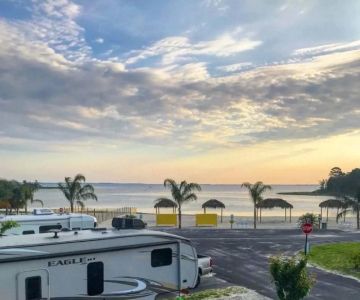
Learn how to budget for your RV long trips with this comprehensive RV travel budget guide. Discover how to plan your expenses, save on costs, and make the most of your RV adventure. 1. Understanding RV Travel Expenses 2. Creating a Realistic RV Budget 3. Key Categories for Your RV Budget 4. Tips for Saving Money on Your RV Trip 5. Case Study: Budgeting for a 3-Week RV Trip1. Understanding RV Travel ExpensesWhen planning an RV trip, understanding the total cost is key to ensuring that you stay within your budget. Unlike traditional travel, RV trips require planning for multiple cost categories, such as gas, campsite fees, maintenance, food, and entertainment. A realistic budget helps you make the most of your trip without surprises.1.1 Why Budgeting for RV Travel Is DifferentRV travel is unique in that it involves not only the traditional travel expenses (like gas and food) but also costs related to the RV itself. This can include insurance, maintenance, and upgrades, especially if the vehicle is older. Budgeting for RV trips requires consideration of both one-time and recurring costs.1.2 The Importance of Pre-Trip PlanningPre-trip planning is essential. Not only does it help you avoid overspending, but it also ensures that you have enough funds to cover unexpected expenses like tire repairs or emergency maintenance. Knowing what to expect in terms of expenses will give you peace of mind and help you enjoy your journey.2. Creating a Realistic RV BudgetTo create a realistic RV travel budget, you need to break down your expenses into manageable sections. Think of it as a roadmap for your trip that outlines where your money will go. Here's how to approach it:2.1 Calculate Fixed and Variable CostsStart by listing fixed costs like RV rental or ownership costs, insurance, and loan payments. Then, calculate your variable costs such as fuel, campsite fees, and food. Make sure to estimate both high and low ranges to give yourself a flexible budget that can handle fluctuations.2.2 Plan for Emergency FundsIn addition to your expected expenses, it's wise to include an emergency fund in your budget. This can cover unexpected expenses like vehicle breakdowns or urgent medical costs. A good rule of thumb is to set aside 10-15% of your total trip budget for emergencies.3. Key Categories for Your RV BudgetThere are several categories to consider when budgeting for an RV trip. The major ones include:3.1 Fuel CostsFuel is one of the largest expenses on an RV trip. Your fuel costs will vary based on the size of your RV, the distance you plan to travel, and fuel prices along your route. Make sure to track your mileage and calculate fuel costs ahead of time.3.2 Campsite FeesCampsite fees can range from $20 to $80 per night depending on location and amenities. National parks, state parks, and private campgrounds all offer varying rates. It’s a good idea to reserve campsites in advance, especially during peak travel seasons.3.3 Food and SuppliesWhen you’re on the road, eating out at restaurants can quickly add up. To save money, plan to cook most of your meals in the RV. Stock up on essentials like dry foods, snacks, and water before your trip, and keep a running tally of what you purchase on the road.3.4 RV Maintenance and UpkeepRoutine maintenance is a necessary part of RV travel. Make sure your RV is in good condition before starting your trip. Additionally, set aside funds for minor repairs that might arise along the way, such as a broken appliance or flat tire.4. Tips for Saving Money on Your RV TripWhile RV trips are relatively affordable, there are always ways to save money. Here are a few tips to help keep costs down during your trip:4.1 Use Discount ProgramsLook into programs like Good Sam or Passport America, which offer discounts at participating campgrounds. Some campgrounds offer membership-based discounts, while others have off-season rates that are lower than peak season rates.4.2 Reduce Fuel ConsumptionMaximize your fuel efficiency by driving at consistent speeds, maintaining tire pressure, and minimizing the weight in your RV. Avoid rapid acceleration and hard braking, which can waste fuel.4.3 Cook Your Own MealsAs mentioned earlier, eating out while traveling can become expensive. Instead, plan meals that are easy to make in your RV. Stock up on healthy, easy-to-prepare foods that can be cooked in your RV's kitchen.5. Case Study: Budgeting for a 3-Week RV TripLet's take a look at a real-world example of budgeting for a three-week RV trip across the U.S. for a family of four.5.1 Estimated Expenses- RV Rental (if applicable): $1,500- Fuel: $600- Campsites: $700- Food and Supplies: $500- Entertainment: $200- Emergency Fund: $2505.2 Total Estimated Cost: $3,000For this example, the family spent an estimated $3,000 over the course of three weeks, with an average daily expenditure of around $142. This budget allowed for a comfortable and enjoyable trip while covering all essential expenses.ConclusionBudgeting for an RV long trip doesn’t have to be overwhelming. With careful planning and consideration of key expenses, you can make sure your adventure is both memorable and financially manageable. Remember, flexibility is key—adjust your budget as needed and always have an emergency fund for peace of mind. For more RV trip planning tips, check out Refined Travel for the best products and services.

Discover the best RV parks with pickleball and outdoor games to enjoy on your next adventure. Explore top-rated parks offering outdoor activities, sports, and more for active RV travelers.Best RV Parks With Pickleball and Outdoor GamesFor RV enthusiasts who love outdoor sports, including pickleball, the quest to find the best RV parks that offer both relaxation and recreation is essential. Whether you're traveling across the country or enjoying a weekend getaway, finding the perfect RV park that offers pickleball courts and other outdoor games can make your trip unforgettable. In this article, we'll guide you through some of the best RV parks where you can enjoy pickleball and other outdoor activities, making it the ultimate destination for active RV travelers. 1. Why Pickleball at RV Parks Is So Popular 2. Top RV Parks with Pickleball Courts 3. Other Outdoor Games You Can Enjoy at RV Parks 4. How to Choose the Best RV Park for Active Travelers 5. Real-Life Stories and Experiences at RV Parks1. Why Pickleball at RV Parks Is So PopularPickleball has quickly become one of the most popular sports in RV parks across the country. It's easy to play, highly social, and can be enjoyed by people of all ages. Many RV travelers are seeking parks that offer this fun, fast-paced game as part of their recreational offerings. The growing interest in pickleball has led RV parks to build dedicated courts, making it an essential amenity for many campers. Additionally, pickleball provides an excellent way to stay active and socialize with fellow RVers, enhancing the overall camping experience.2. Top RV Parks with Pickleball CourtsIf you're a pickleball enthusiast, you'll want to stay at RV parks that offer well-maintained courts. Here are some of the top-rated RV parks in the U.S. where you can enjoy pickleball and outdoor games: Sun Outdoors Palm Desert - Located in California, this luxurious RV resort offers multiple pickleball courts, along with tennis, swimming, and other outdoor activities. It's perfect for those who want both relaxation and recreation in a beautiful desert setting. Green Valley RV Resort - In Arizona, Green Valley RV Resort boasts several pickleball courts and a wide range of amenities, including a heated pool, golf courses, and biking trails, ensuring that every day is filled with fun and activity. La Mesa RV Resort - Situated in New Mexico, La Mesa RV Resort has become a hotspot for pickleball lovers. The park offers organized tournaments, as well as casual games, and is set against a scenic backdrop of the Rocky Mountains. Santa Fe RV Park - This park is located in New Mexico and features both indoor and outdoor pickleball courts, making it an excellent option for those who want to enjoy the game year-round. The park is known for its community-oriented atmosphere and variety of outdoor games. The Resort at Canandaigua - For RVers traveling to upstate New York, The Resort at Canandaigua is an idyllic place to enjoy pickleball, along with kayaking, hiking, and other outdoor activities. This waterfront park offers beautiful views of the Finger Lakes region.3. Other Outdoor Games You Can Enjoy at RV ParksIn addition to pickleball, many RV parks offer a wide variety of outdoor games and sports to keep you active during your stay. Some of the most popular outdoor activities include: Tennis: Many RV parks that feature pickleball courts also have tennis courts, giving you the option to switch up your routine and enjoy a different game. Shuffleboard: A relaxing yet competitive game that’s perfect for socializing with other RV campers. It’s especially popular at RV parks that cater to retirees. Bocce Ball: A fun and laid-back game that’s great for people of all ages. Many RV parks provide bocce ball courts as part of their recreational offerings. Horseshoes: Another classic outdoor game that many RV parks offer. Horseshoe pits are often found near picnic areas, making it easy to combine games with a meal or barbecue. Golf: Whether it’s a traditional 18-hole course or a mini-golf setup, many RV parks feature golf as a recreational option.4. How to Choose the Best RV Park for Active TravelersWhen searching for an RV park that caters to your active lifestyle, there are several key factors to consider: Pickleball Courts: Ensure the park has well-maintained pickleball courts, whether you’re looking for casual games or competitive tournaments. Variety of Outdoor Activities: Look for parks that offer a wide range of outdoor games and sports to keep you entertained throughout your stay. Community Atmosphere: RV parks with a strong sense of community can offer a more enjoyable and social experience, making it easier to connect with fellow travelers. Location: Consider the location of the park—whether it’s near scenic views, hiking trails, or other outdoor attractions. This can enhance your experience beyond the courts. Amenities: Look for RV parks that offer additional amenities such as fitness centers, swimming pools, and clubhouses where you can relax after a game.5. Real-Life Stories and Experiences at RV ParksMany RVers share their experiences at parks with pickleball and outdoor games. One traveler, who stayed at the Green Valley RV Resort, shared how playing pickleball helped them bond with other visitors and made their trip much more enjoyable. Another RVer at Sun Outdoors Palm Desert spoke about the excitement of competing in organized pickleball tournaments, which added a fun and competitive edge to their travels. Stories like these highlight the social and physical benefits of staying at an RV park that offers such recreational opportunities.Whether you’re a seasoned pickleball player or just looking for a fun way to stay active during your RV travels, these RV parks with pickleball courts and outdoor games are perfect destinations for your next adventure. Explore more about these parks and find the best options on Refined Travel to plan your next active getaway.
 Kirkwood Estates3.0 (308 reviews)
 Bending Oaks Ranch RV Resort4.0 (408 reviews)
 Southern Pines RV Campground4.0 (31 reviews)
 New Colony3.0 (35 reviews)
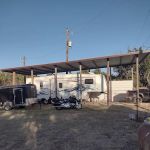 A&A covered RV park0.0 (0 reviews)
 Raccoon Valley at Volunteer Park4.0 (308 reviews)
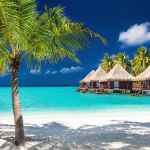 Exclusive Travel Packages for First-Class Travelers: A Guide to Luxury Vacations
 Refined Travel Experiences in Southeast Asia: Explore Luxury & Unique Destinations
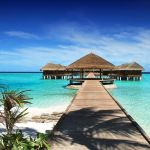 How to Make the Most of Luxury Vacation Deals: Expert Tips for Savvy Travelers
 Refined Travel Itineraries for Art and Culture Lovers: Explore the World of Art and History
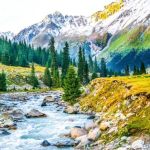 How to Enjoy a Refined Travel Experience in the Mountains
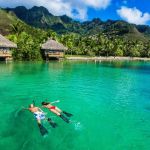 Most Luxurious Destinations for Honeymooners: Top Spots for Romance and Luxury